Cuban court exile, entrepreneur
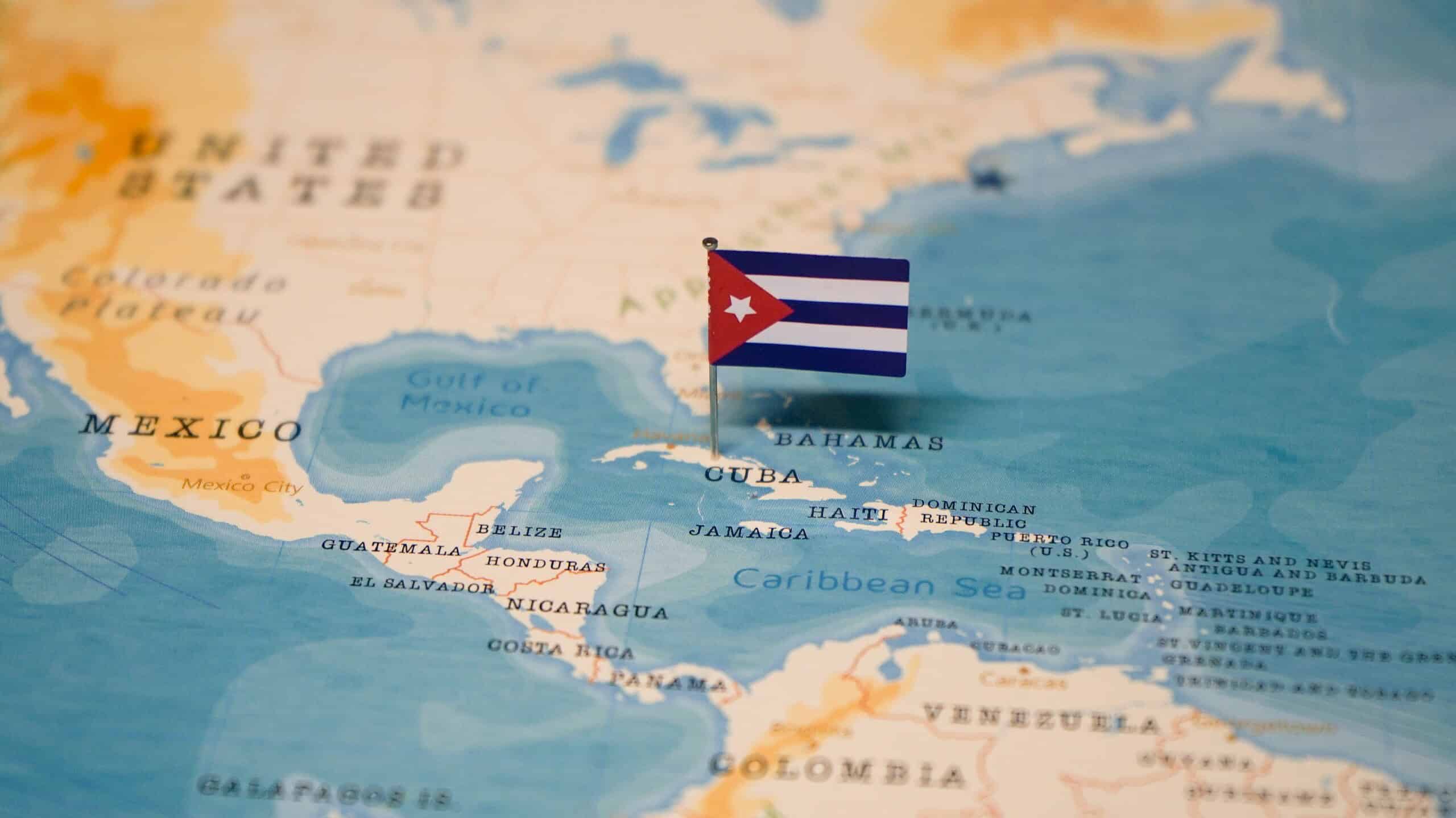
Cuba invites back the diaspora it once rejected with a high-risk economic reset.
Under increasing pressure from US sanctions, fuel shortages, and a crumbling state-run apparatus, Havana has begun to attract the same actors it once treated as enemies: private entrepreneurs, foreign investors, and – especially – Cuban expatriates.
Last month, the government unveiled a package of reforms titled “On Relations between State and Non-State Business Entities”. Formalized through Decree-Law 114/2025, the package establishes a new legal structure called mixed limited liability company (SRL Mixta), which allows foreign parties, private local businesses and state-owned enterprises to create joint ventures authorized to operate bank accounts, set prices and wages, and manage their own imports and exports.
Separately, the government announced that Cuban citizens living abroad – long excluded from ownership on the island – will now be allowed to open foreign currency accounts at Cuban institutions and own or form partnerships in local businesses without the previously mandatory permanent residency requirement.
“There are no limits,” Cuban Deputy Prime Minister Oscar Pérez-Oliva Fraga, who is also minister of foreign commerce and investment, said in a state television interview.
Nevertheless, the reforms fall short of full adoption of market regulation, with the state retaining control over strategic sectors and reserving discretion to exclude certain enterprises. Meanwhile, the US trade embargo remains in place, effectively blocking most dollar-denominated transactions unless an act of Congress lifts it entirely.
Yet the shift marks a dramatic reversal for a state that for decades has viewed the private sector as a threat and exiles as political enemies. It comes as Cuba grapples with a Trump administration embargo that has blocked foreign fuel imports for months, forced hospitals to postpone surgeries and plunged cities into blackouts. In the void left by the political leadership, private micro, small and medium-sized enterprises – which now employ about 30% of the population – have become the island’s primary economic lifeline, supplying essential goods and services.
Whether this temporary opening represents a genuine transformation of Cuba’s economic and political model or a temporary concession by a gasping government remains uncertain. But for Trump, who has said he wants to topple the Cuban government and claim “the honor of occupying Cuba,” anything less than regime change may not be enough.