Mu is in danger due to restrictions on water supply
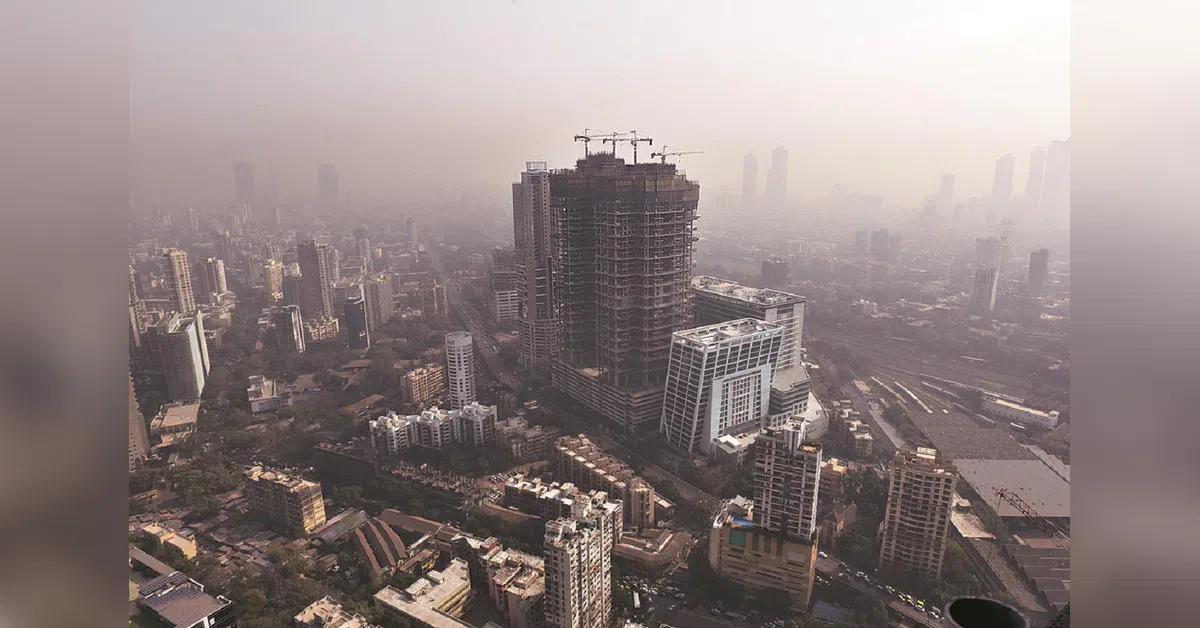
Effective June 17, the BMC suspended all water connections at ongoing construction sites within the city limits and stopped new connections until further notice. The civic body has also imposed a 20 per cent water cut for industrial, commercial and sports facilities, while a 10 per cent water cut across the city is in effect from May 15.
According to Hiranandani Group Chairman Niranjan Hiranandani, the immediate result will be “site-level disruption”, particularly in activities that are dependent on access to stable water, including curing, concreting, basic site operations and labor camps.
“If restrictions continue, developers will be forced to delay the construction cycle – which could lead to increased logistics and procurement costs and, more importantly, extended execution timelines. The delay ultimately impacts home buyers and project delivery commitments,” he said.
Industry stakeholders said the impact will vary by project, depending on factors such as permanent water connection, on-site storage capacity, access to treated water and reliance on tankers or borewells. However, at a citywide level, the restrictions create what many describe as “a clear performance barrier” to residential, industrial and commercial development.
Deben Moza, international partner and senior executive director, head of project management services for India and Asia Pacific at Knight Frank, said both real-estate and infrastructure projects require large quantities of water for concreting, curing, plastering and finishing work. “Developers and contractors are being forced to look for alternative sources such as treated or recycled water or purchase supplies through private tankers. All these options increase costs,” he said.
Industry experts also pointed to risks for redevelopment projects where developers continue to pay rent to displaced residents until possession is handed over. Therefore any delay may increase cash outflow even if construction costs increase.
Affordable housing projects may be particularly vulnerable, as their margins are already thin.
Moza said developers can seek force majeure relief under the Real Estate (Regulation and Development) Act (RERA) if the situation remains beyond their control. Investors appeared to be focusing on growth. Shares of Mumbai-based real-estate companies fell between 0.35 per cent and 2.54 per cent on Wednesday.
Kalpataru was the biggest loser at 2.54 per cent, while Godrej Properties fell 0.35 per cent. India’s second-largest listed developer Lodha Developers declined 2.45 percent and Oberoi Realty declined 0.59 percent.
According to Prashant Thakur, executive director and head of research and consultancy, Anarock Group, the Mumbai Metropolitan Region (MMR) is expected to complete around 207,300 housing units in 2026, the largest delivery pipeline in a decade.
Mumbai city alone has about 143,000 units, or 69 percent of the total. Anarock estimates that around 686,000 housing units are currently under construction in the MMR, of which Mumbai contributes over 515,000 units.
Thakur said delays in fresh water connections and labour-welfare compliance could impact productivity at active sites. If other municipalities in the MMR also face similar reservoir stress and impose comparable restrictions, the impact on the region’s broader housing pipeline could be significantly increased.
Developers also used the current situation to renew calls for long-term water-management reforms. “It is our collective responsibility to reduce dependence on potable water for construction activities and continue investing in water conservation, recycling and responsible resource management,” said Boman Irani, Founder, Chairman and Managing Director of Rustomjee Group.
But not everyone expects serious disruption. Some industry observers said the sector has faced similar restrictions before and a major blow was not expected. Sukhraj Nahar, Chairman, CREDAI-MCHI, said, “At project sites, construction activities largely depend on groundwater and other non-potable sources, while drinking water is used only for worker welfare and essential needs. Therefore, we do not see any major impact on currently ongoing projects or construction timelines.”
A similar view was expressed by Anand Agarwal, managing director of Ceratech Group, who said the immediate impact on construction activity in Pune remains manageable. However, he cautioned that prolonged restrictions could increase operating costs as developers rely more on alternative water sources, potentially delaying execution.
Pune is also operating under alternate day water supply. The city civic body has directed construction sites not to use drinking water and has directed builders to rely on recycled water or borewells instead.
“Given the scale and sophistication of Mumbai’s development pipeline, the impact is expected to remain manageable in the immediate term and is unlikely to disrupt the overall construction pace. We do not see any meaningful impact on project launches, sales or buyer sentiment at this stage,” said Anuj Mehta, director of Dhuleva Group.