Morocco to Cape Verde: Africa’
The expansion of the FIFA World Cup to 48 teams was met with skepticism in some quarters. Critics feared that increasing the number of participants would reduce the quality of the competition and create more one-sided competitions. Yet after an early round of group-stage matches at the 2026 FIFA World Cup, Africa’s representatives have emerged as some of the most compelling stories of the tournament.
While the statistics show African teams recording three wins, five draws and four losses in their opening fixtures, the results tell only part of the story. In the United States, Canada, and Mexico, African countries have demonstrated that they are no longer satisfied with merely participating. Instead, they are competing head-to-head with some of football’s most established powers.
Morocco will continue where Qatar 2022 ended
No African party has made a stronger statement than Morocco.
The Atlas Lions arrive at the tournament carrying the legacy of their historic semi-final achievement in Qatar four years ago. Against five-time world champions Brazil, they showed that this achievement was no fluke.
Morocco secured a 1–1 draw and arguably looked the better side for large parts of the contest. Their pressing unsettled Brazil, their midfield controlled key phases of the game and Ismael Saibari’s goal highlighted the attacking quality within the team.
They almost ensured qualification to the next round by taking all 3 points against Scotland
Ivory Coast gives Africa’s biggest win
If Morocco performed, Ivory Coast delivered.
Appearing in the World Cup for the first time in 12 years, Les Elephantes defeated Ecuador 1–0 thanks to Amad Diallo’s dramatic 90th-minute winner.
The win was significant not only because it ended Ecuador’s impressive unbeaten streak, but also because it represented a change in mentality. African teams have often performed impressively against higher-ranked opponents, only to fall behind due to missed chances or late setbacks.
This time Ivory Coast got the decisive moment. The win immediately strengthened their knockout stage ambitions, while sending the message that African teams are becoming more clinical in pressure situations.
Cape Verde’s dream debut continues
The biggest surprise of the tournament came from Cape Verde.
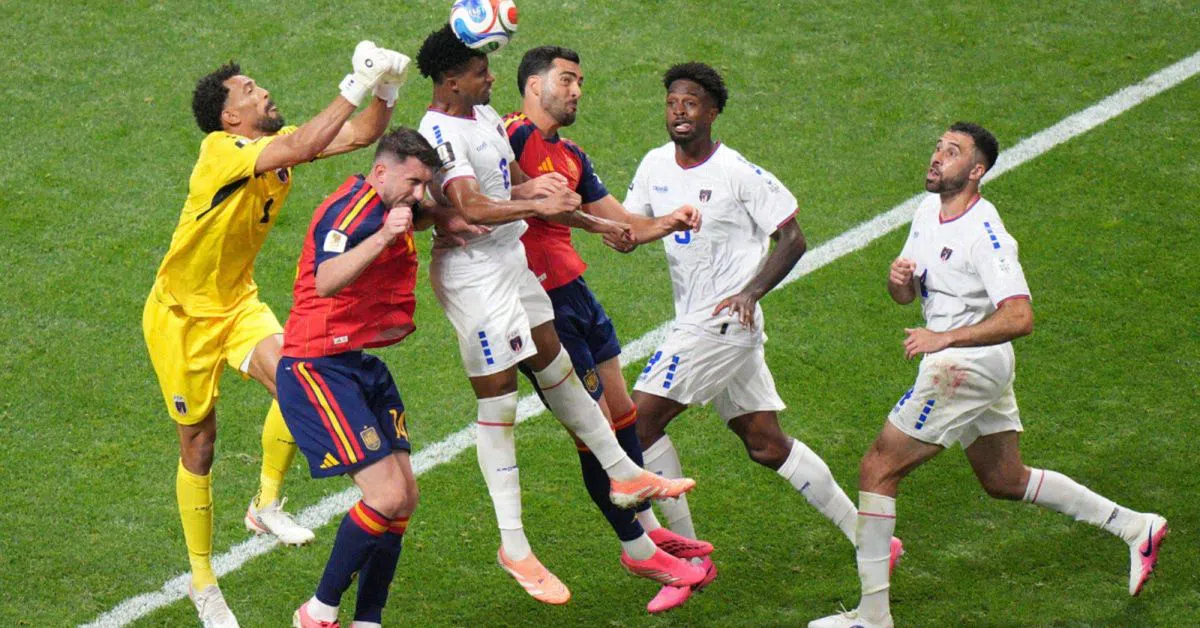
Facing former world champions Spain in their first World Cup campaign, few gave the island nation a chance of gaining anything from the match. Yet Cape Verde frustrated Spain with a disciplined defensive display and secured a remarkable 0–0 draw.
The result highlighted the growing depth within African football. Even teams without the pedigree of Morocco, Senegal or Ivory Coast are now able to compete with elite opposition on the world’s biggest stage.
Senegal show they can still challenge the elite
Senegal may have lost 3-1 to France, but the scoreline does not fully reflect their performance.
For a long time, the Lions of Teranga were matching one of the tournament favourites. They competed physically, created chances and demonstrated why they remain one of the most respected football nations in Africa.
Ultimately, the individual talent of the French attackers proved decisive. However, Senegal’s performance showed that they are capable of progressing from their group and potentially causing problems in the knockout rounds.
Not every story was positive
Some difficult lessons were learned in the initial stages.
South Africa struggled in the 2–0 defeat to Mexico, appearing overwhelmed by both the occasion and the atmosphere. Tunisia suffered its biggest defeat among African teams, losing 5–1 to Sweden which resulted in immediate increased pressure on the team.
Iraq’s heavy defeat to Norway also reminded that tournament football often punishes defensive lapses.
Yet even these failures must be seen in context. Many African teams faced elite opponents, host nations or traditional World Cup contenders, in their opening matches. However. South Africa’s late draw against Czechia once again showed promise that the ‘Bafana Bafana’ still have hopes of making it to this year’s World Cup.
Africa’s strongest World Cup generation?
The most encouraging sign for African football is not the results, but the way of achieving them.
Morocco controlled Brazil. Ivory Coast defeated Ecuador. Cape Verde disappointed Spain. Senegal competed equally with France.
These are no longer isolated surprises. They are becoming a recurring theme.
As the World Cup progresses, African countries look to be in a good position to place several teams in the knockout rounds. If the opening week is any indication, the continent’s representatives aren’t just filling a spot in the expanded tournament – they’re helping to define it.
The expanded World Cup was designed to give more regions a better voice on football’s biggest stage. Africa has wasted little time in showing why it deserves it.