UAE to exit OPEC, fracturing P
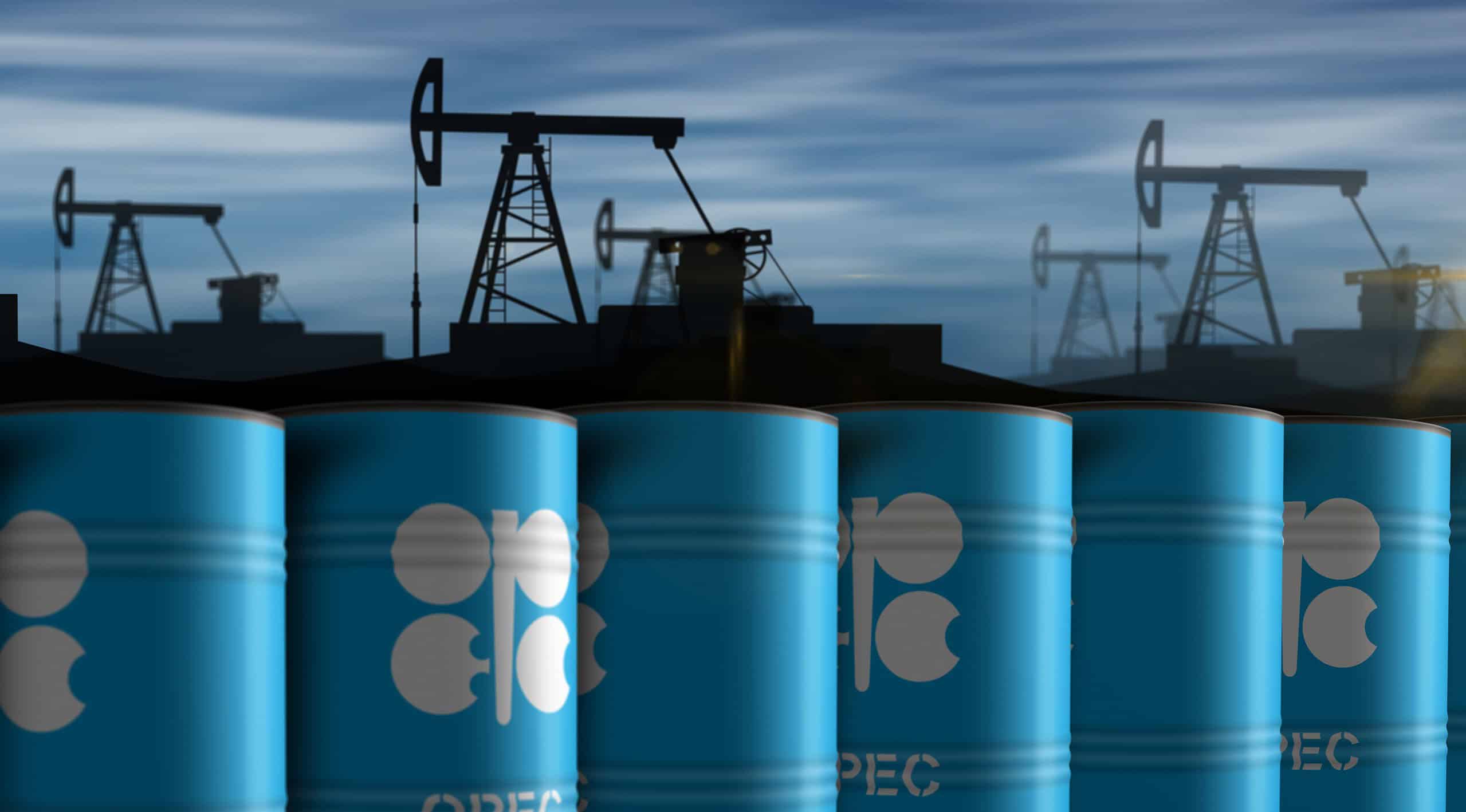
The UAE exits OPEC, highlighting Gulf differences over oil strategy, Iran policy and market stability.
The UAE’s announcement of leaving OPEC on May 1 is more than a policy shift: It signals the unraveling of the long-weakening Gulf consensus on oil, economic strategy and Iran. The announcement comes on the heels of the Gulf Creators event in Dubai on April 27.
“Every Gulf state had its own policy of containment toward Iran, and all those containment policies have failed,” senior Emirati official Anwar Gargash said at the event. “All our policies have failed miserably,” he said, a rare public admission of strategic exhaustion that underlines why Abu Dhabi is recalibrating its regional and energy position.
That recalibration now also includes leaving the Organization of the Petroleum Exporting Countries. The UAE joined the group in 1967, when Abu Dhabi—now the federation’s capital—emerged as an oil producer. Announcing its exit from both OPEC and OPEC+ (a larger alliance that also includes Russia), the UAE said the move is in line with its long-term strategy and will allow it to gradually increase production in line with market demand.
increasing division
At the heart of the divide is the growing gap between Riyadh and Abu Dhabi. Oil policy has long been a source of tension between the two Gulf powers. With UAE’s exit, Saudi Arabia will now have to bear the heavy burden of stabilizing global oil markets.
The UAE is not the only country to abandon OPEC solidarity. Qatar walked out of OPEC in 2019, cutting ties with the Saudi-led bloc amid an ongoing boycott.
Angola and Ecuador also moved in in recent years. A similar move by the UAE highlights that politics continues to shape the cartel, even as it focuses on stabilizing oil prices through production decisions. And because of its position as a major producer, the UAE’s exit is structurally more consequential for global supply management.
Experts say the UAE produces about 3.4 million barrels per day – about 13% of OPEC’s total output – and had the potential to reach 5 million barrels per day before the US-Iran war broke out on February 28.
In fact, OPEC is not just losing a member – it is losing a vital balancing power at a time when geopolitical instability and oil market fragmentation are intensifying.