Sakat Chaturthi: A Celebration of the Moon in Hinduism
Sakat Chaturthi (also called Sakat Chauth or Magha Sankashti Chaturthi) is a Hindu vratasth day devoted to Lord Ganesha and closely tied to the worship of the moon, where the fast is broken only after moonrise and darshan of Chandra. It is especially observed by mothers for the well‑being, protection, and prosperity of their children, with the moon viewed as a calm, auspicious witness to the vow.
What is Sakat Chaturthi?
- Sakat Chaturthi falls on the fourth lunar day (Chaturthi) of the Krishna Paksha (waning phase) in the month of Paush or Magha, and in this Magha form it is specifically called Sakat Chauth.
- It is one of the Sankashti Chaturthi observances, monthly Ganesha fasts linked to the lunar cycle, but Sakat Chauth is given special weight in North India for children’s welfare.
Ritual focus on the moon
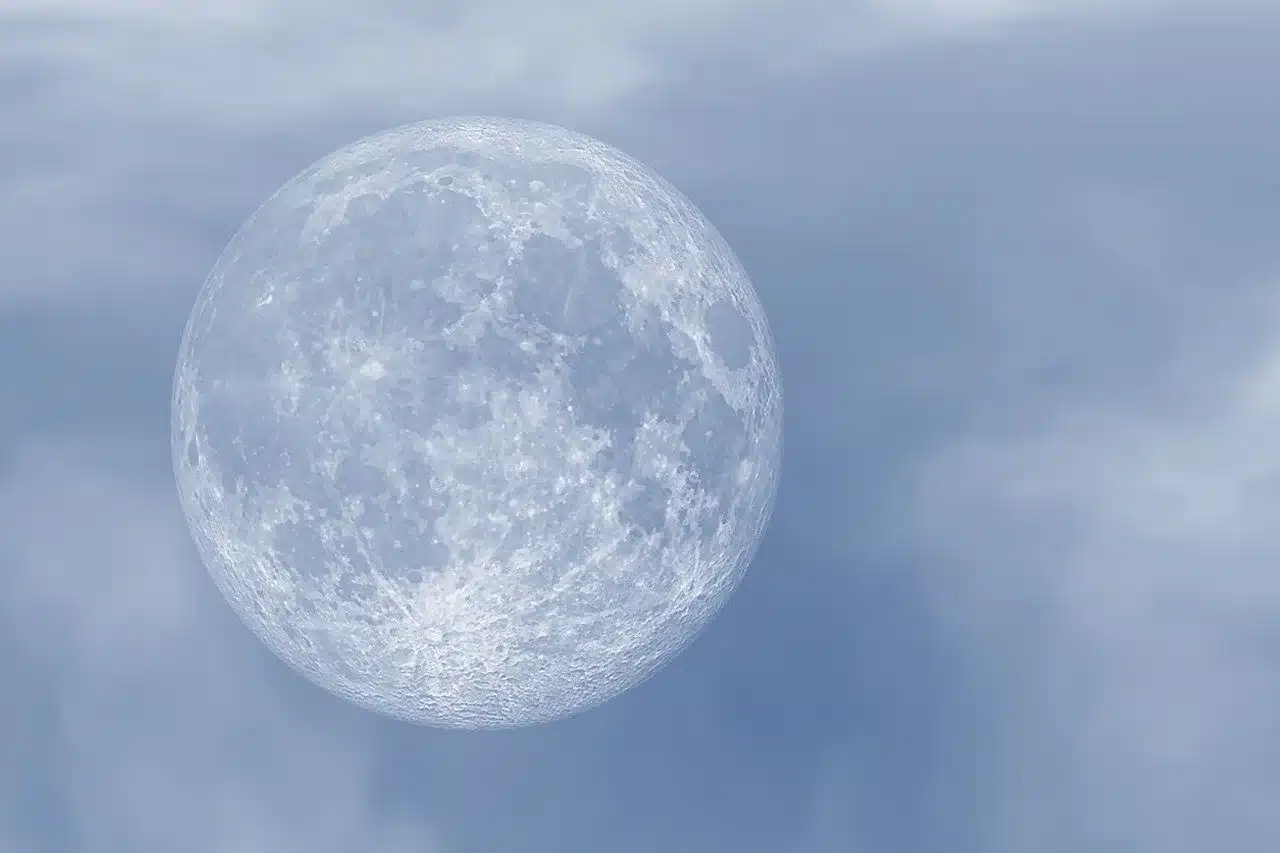
- The defining feature is that the fast ends only after the evening moon is seen, when devotees offer arghya (water mixed with items like milk, til, and flowers) to Chandra before eating.
- Devotees often look at the moon through a sieve, then at Ganesha, a ritual believed to channel the moon’s qualities of calmness, intuition, and emotional balance into family life.
Ganesha, Chandra, and removing obstacles
- Sakat Chaturthi is dedicated to Ganesha as Vighnaharta, the remover of obstacles, and also to Sakat Mata, a protective motherly aspect invoked for children’s safety and longevity.
- Narratives associated with this day include Ganesha rescuing devotees from the demon Sankatasur and delivering them from “sankat” (difficulties), reinforcing the theme of overcoming karmic and worldly obstacles.
Vrat, food, and symbolism
- Observers typically keep a Nirjala or strict fast from sunrise to moonrise, taking a sankalp to remain sincere and disciplined throughout the day.
- Offerings such as til (sesame), jaggery preparations like tilkut or laddus, modak, and durva grass symbolize warmth, auspiciousness, and the burning away of hardships in the presence of Ganesha and the cool moon.
Social and spiritual meaning
- Spiritually, the vrat expresses trust in cosmic rhythm: the moon’s cycle is seen as influencing mental states, so watching for moonrise becomes a meditative act of patience and surrender.
- Socially, Sakat Chaturthi gathers women and families for collective evening puja and moon‑viewing, strengthening bonds while centering the shared wish that children grow in health, wisdom, and prosperity.