India-EU trade agreement likely
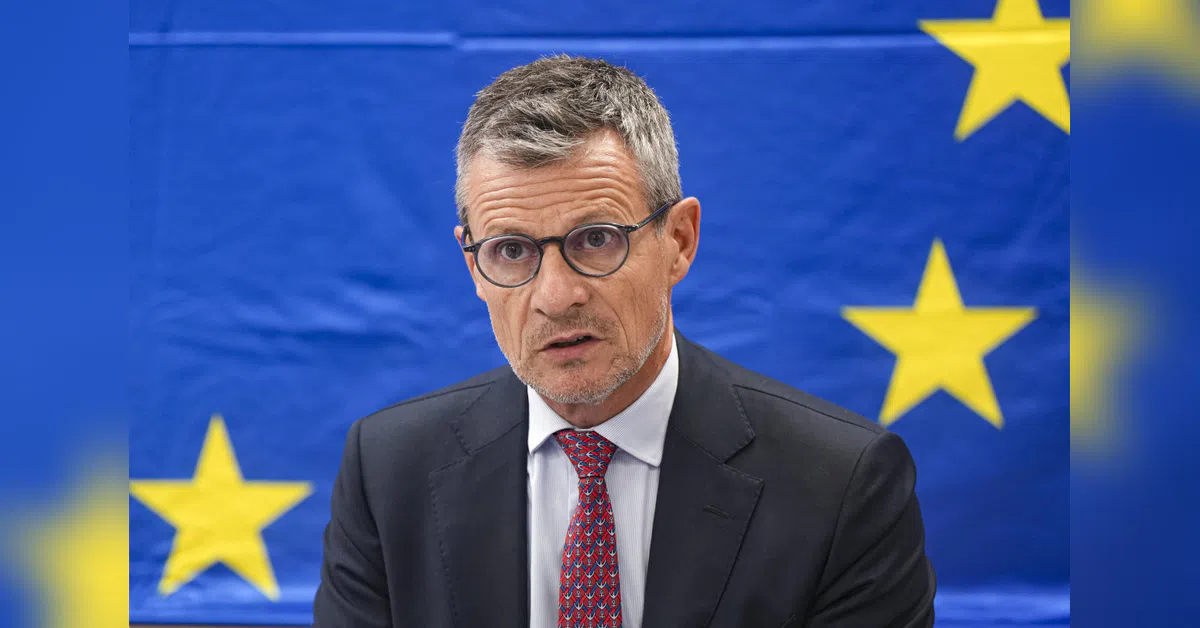
The India-EU free trade agreement (FTA) could be signed by the end of this year and come into force within a few months, with implementation possible as early as 2027, the bloc’s Ambassador to India Hervé Delfin said on Monday.
Both sides are moving through final legal scrutiny of the text.
“There is a common commitment from the top to sign the FTA as soon as possible, and we are looking at the end of the year. I think both sides have worked hard to complete the process of so-called legal scrutiny of the text, and thus there is a possibility that the FTA will be signed by the end of the year,” said Delphin, addressing a press briefing at the Erasmus+ pre-departure event 2026.
Delfin’s comments come a day after Commerce and Industry Minister Piyush Goyal said India and the European Union (EU) are working on signing the FTA by December this year and operationalizing it by March 2027.
Asked about Goyal’s expectation that the agreement could come into force by March next year, Delfin said he could not comment on any specific date, but said it was reasonable to be optimistic about the time frame.
“Once it is signed by the EU, we have an additional step, which is that the European Parliament has to give its consent, and when that consent is registered, the FTA will come into force,” he said.
India and the EU began talks for the agreement in 2022, resuming talks after an earlier effort stalled in 2013. The negotiations ended in 2026 after several rounds of discussions covering trade in goods and services, investment and other areas, paving the way for a legal review of the text before signing.
Delfin said artificial intelligence, energy, green transition, urban development, health care and other emerging sectors will increasingly become part of EU-India economic cooperation. He said both sides can combine India’s scale with European expertise, especially in areas related to green transition and technology.
On energy cooperation, Delfin said India had made progress in renewable energy but faced challenges in building the supporting ecosystem, including power grids and storage capacity. He said the EU could contribute its experience in areas such as smart grids as both sides work on expanding clean energy systems.
“There is a storage problem… there is a power grid problem. And this is also part of our cooperation agenda,” he said.