Gardener rewrites the map with $800 miles
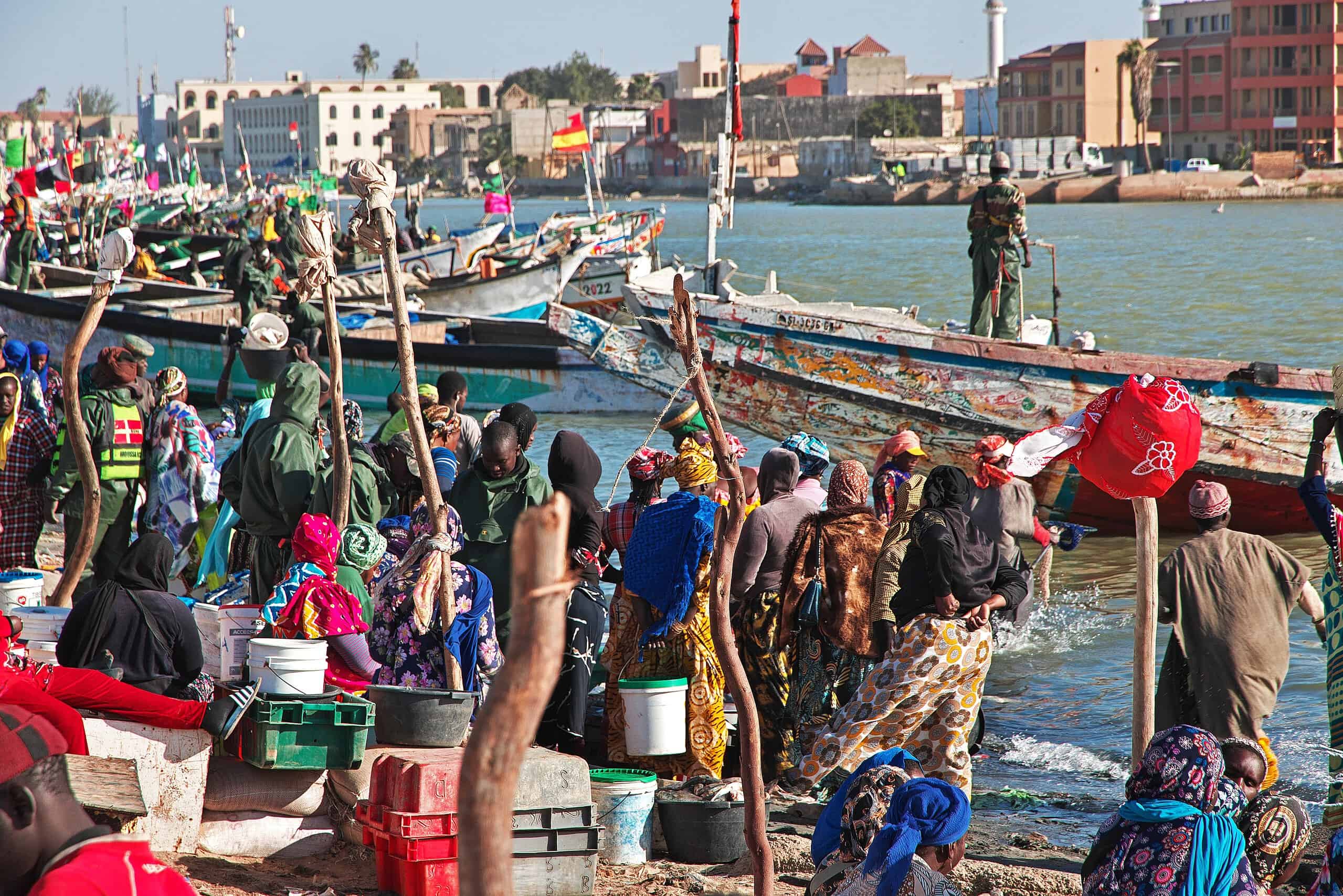
A river will flow through Mali as a 900-kilometre sea artery turns the Senegal River into a high-capacity commercial highway.
No more grounded?
A prisoner of its own geography, Mali has been tied to the unstable and expensive road networks of its coastal neighbors since it lost access to the Atlantic due to colonial changes in the late 19th century. But this may be about to change.
This month saw the official launch of the St. Louis–Embilde Corridor. The 900-kilometre maritime artery will transform the Senegal River into a high-capacity commercial highway linking the Atlantic port city of Saint-Louis in Senegal with the Malian city of Embiddi in the western Kayes region.
Managed by the Senegal River Development Organization (OMVS) and its operational arm, SOGNAV, this initiative represents a rare moment of multilateral cooperation between Mali, Senegal, Mauritania and Guinea. With a price tag of $800 million, the waterway – if executed effectively – could fundamentally reshape West Africa’s trade architecture, reduce structural dependencies and deepen regional ties.
Gardeners are going to benefit the most from this project.
By facilitating the movement of goods and reducing trade barriers, the corridor can significantly enhance the country’s competitiveness in global markets. Moving bulk commodities such as cotton, agricultural products and gold – which alone account for about 70% of Malian exports – via the new maritime navigation route is expected to cost half as much or even less than by land. Meanwhile, cheaper imports of fuel, fertilizers and essential consumer goods could ease price pressure on common farmers.
However, these prospects are hampered by Mali’s political weakness and growing diplomatic isolation. After two coups in four years, the country is now ruled by a military junta that has withdrawn from the Economic Community of West African States. Islamist armed groups are largely contesting the region, elections have been postponed indefinitely, and corruption is deeply entrenched.
Technical obstacles also loom. Maintaining a navigable channel year-round will require management of seasonal water level fluctuations and the cost of continued dredging. Those operational demands include sustained funding and institutional coordination among the four governments for decades to come. Whether the corridor will become a truly transformative trade artery or simply another unrealistic vision will depend less on engineering than on political goodwill.