
Maruti Suzuki Fast-Track Products
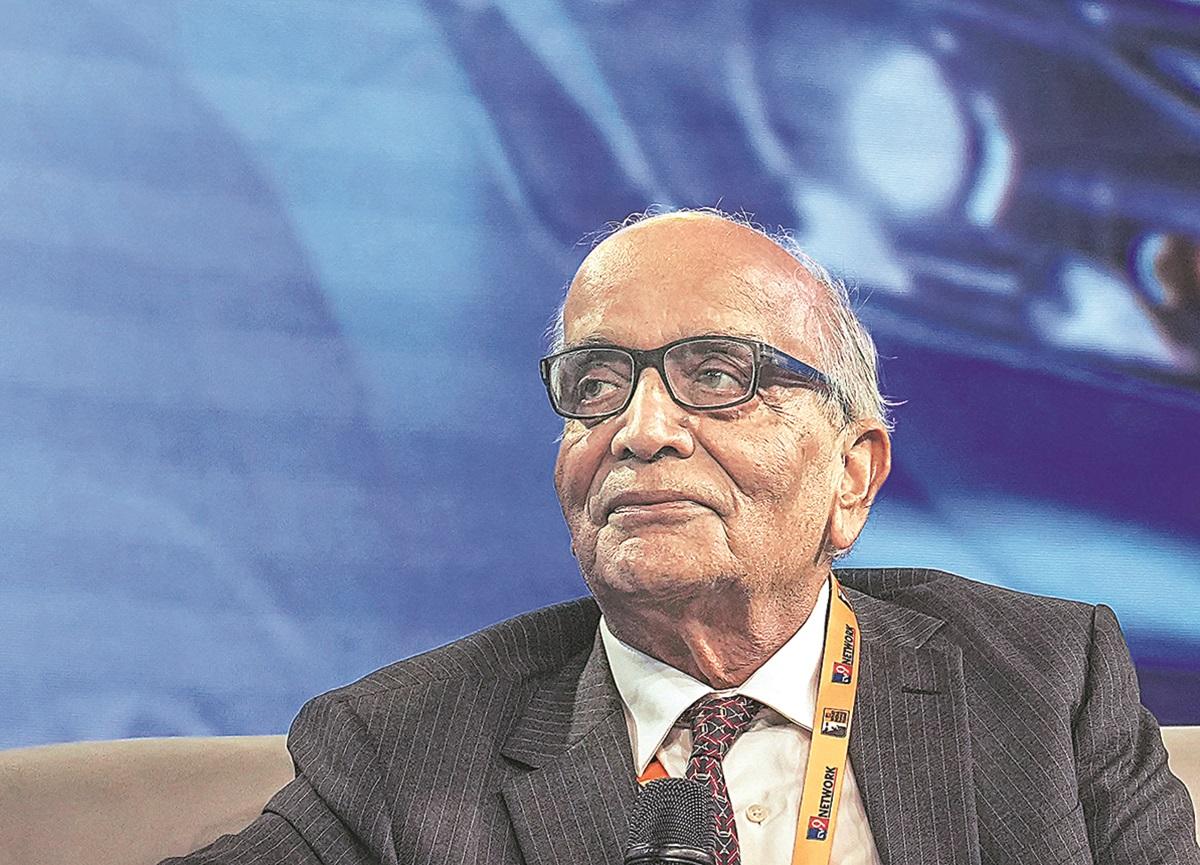
in conversation with business standardMaruti Suzuki Chairman RC Bhargava said the rampup will include production of 250,000 cars at its Kharkhoda plant in Haryana and another 250,000 cars at its Gujarat plant. This will be done gradually, with production numbers expected to reach 500,000 by the end of FY27.
Bhargava pointed out that these factories have the flexibility in their assembly lines to shift from one model to another which will help them meet the huge demand for small cars that are in the waiting list. “Currently, our dealers have an inventory that is only equivalent to one week whereas the normal norm is for 30 days,” Bhargava said.
Responding to a question on the company’s role in launching electric cars in the local market after starting with exports, he said: “With the cells being imported, the total import content in electric cars is more than 50 per cent. Therefore, we are not eligible for the benefits of the production linked incentive scheme.”
But, the largest automaker in India plans to package lithium-ion batteries in a way that reduces the overall import content and resolves the PLI challenge.
On reducing GST rates on small cars, Bhargava said that this has given a big blow to the industry. He said that despite concerns that the cut in GST rates would reduce government revenue, it has had no impact as sales of small cars have increased.
Bhargava said cars up to 4 meters long and with 1200 cc engines, where GST was reduced from 28 per cent to 18 per cent, accounted for about 70 per cent of sales.
On the impact of the US-Iran war on the Indian auto industry, Bhargava said it will take another month to get a clear picture. ”However, it is clear that prices of raw materials like steel will increase. Our total cost of manufacturing the car will also be the same. So, profitability growth has to be looked at carefully.” Emphasizing that demand will continue to grow, he said the choice is ”you want to absorb the cost and reduce profitability or pass it on to consumers.” Bhargava said many car companies make less than 5 per cent profits and companies making EVs are still making losses.
On government support to promote electric cars, Bhargava pointed out that in most countries like the US, Germany, China and others, the government has reduced or stopped providing incentives. He asked, “So the question is for how long can the Indian government do this?”
p2yykn