Boards, insurers under pressure

Many global forces are rewriting D&O risk, from political, economic and social instability to AI-related liabilities.
Corporate directors and executives are working in a more complex environment than at any time in the last decade, and their insurers are working to keep up.
“Coverage is expanding,” says Mark Sutton, senior equity partner at Clyde & Company, a global law firm headquartered in London and known for its deep expertise in insurance, risk and regulatory matters. “We are gradually seeing D&O policies evolve to reflect a more complex regulatory environment, and underwriting discipline is tightening.”
Meanwhile, regulators are stepping up their crackdown on corporate misconduct. Personal risk for directors and officers has increased and with rising legal costs and class actions, D&O premiums are trending upward. In some areas, the long trend of falling prices shows signs of leveling off, or in some cases even reversing.
Regulatory pressures will vary in different regions. For example, in the UK, scrutiny of ESG and AI disclosures is intensifying, and in the US, enforcement actions by the US Securities and Exchange Commission are increasing.
But Jarrod Schlesinger, global head of financial lines and cyber at Allianz Commercial, says board-level performance is also being reshaped by geopolitical unrest, economic uncertainty and the growing influence of new technologies. Geopolitics has become a core focus for boards and executive leadership teams around the world.
“Political, economic and social instability across sectors is impacting supply chains, capital flows, regulatory regimes and operational continuity,” says Schlesinger. “Armed conflicts, sanctions, cyberattacks and trade disputes are now regular considerations for multinationals.” Increased volatility exposes companies and their leaders to a variety of operational, financial and reputational threats, many of which may trigger litigation.
Europe: intensive investigation
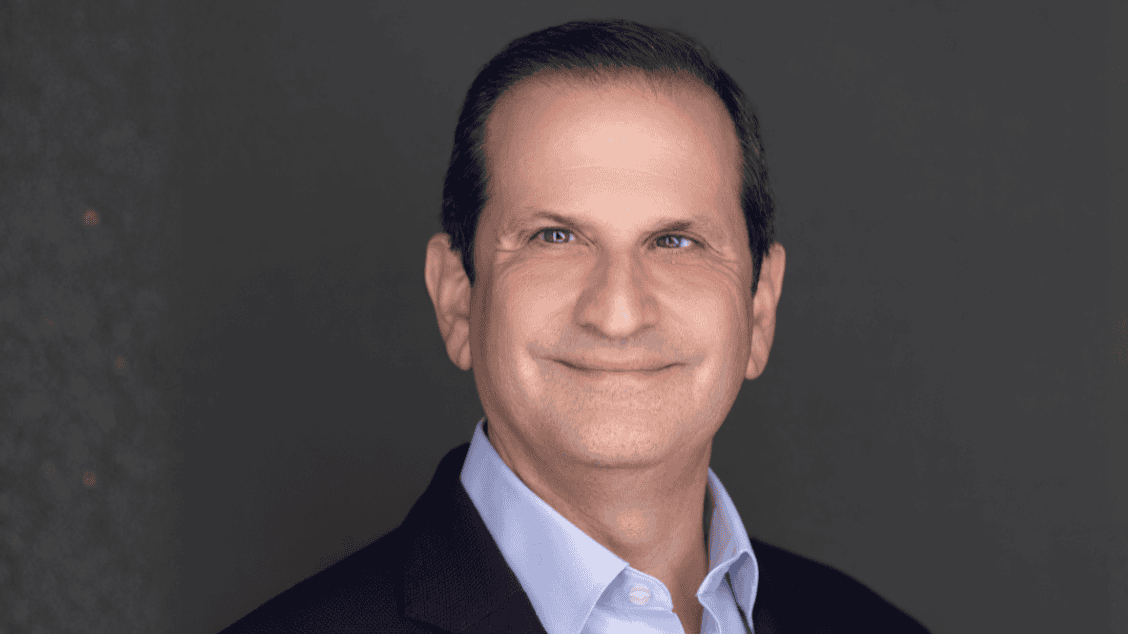
Schlesinger says this dynamic is particularly evident in Europe, as companies deal with the risks associated with international sanctions and politically unstable regions: “Geopolitical instability is also increasing cross-border compliance risk and driving significant D&O losses, particularly in Europe and the UK.”
Corporate bankruptcies – a major driver of D&O claims, especially for private companies – are set to increase again in 2025 and 2026. According to Allianz Trade, global business bankruptcies are set to rise 10% in 2024, ending the year 12% above pre-pandemic levels. Allianz Trade’s Global Insolvency Report published last month estimates they will climb a further 6% in 2025 and projects a rise of 5% in 2026, marking the fifth consecutive year of growth.
“Financial crises typically intensify scrutiny of board decision-making and capital allocation,” says Schlesinger.
Shareholder activism is also reshaping the D&O landscape, he added, as “derivative litigation” expands in both frequency and severity. He says such actions now occur in the dozens each year, and are often tracked by securities class actions alleging breaches of fiduciary duty. Beyond traditional accounting-related disputes, he points to the rise of event-driven claims, with M&A activity, regulatory enforcement, workplace and consumer issues and other operational shocks increasingly serving as triggers for D&O suits.
Another factor influencing D&O insurance in Europe is the emerging landscape of ESG-related liabilities.
As more countries implement ESG reporting mandates, directors and officers are facing costs associated with investigations, enforcement actions and potential fines for non-disclosure or misrepresentation. Regulatory pressure could lead to claims from private plaintiffs dissatisfied with a company’s disclosures about its ESG commitments.
“The expansion of disclosure and reporting regimes, particularly in Europe and other major markets, is raising expectations about transparency, climate strategy, supply chain oversight, human rights and workforce governance,” says Schlesinger. “ESG considerations are increasingly systemic, connecting with enterprise risk management, capital strategy and stakeholder engagement.”
Non-accounting securities class actions have more than doubled over the past decade, he added, and environmental and product-related disputes, including emerging risks associated with “forever chemicals,” have produced expensive litigation and substantial settlements.
AI comes at risk
Against this backdrop, another key emerging risk is the growing gap between what companies claim about their AI capabilities and what they are implementing, a misalignment that could prompt regulatory investigations, securities litigation and shareholder actions.
“Boards are increasingly accountable for a broad set of AI-related risks,” says Beena Ammanath, executive director of the Global Deloitte AI Institute, “from model inaccuracies and hallucinations to IP leakage, privacy violations, bias, ethical lapses and cybersecurity risks: all of which have escalating legal and regulatory consequences.” She warns that with weak governance, these issues can “immediately cause reputational damage.”
The investigation is now turning to another rapidly emerging threat, Ammanath says: AI-washing, where companies misrepresent the use of AI to appear more advanced or innovative than it is. This often takes the form of vague “AI-powered” claims without evidence, inflated descriptions of automation or risk controls, or hiding manual processes behind the language of machine intelligence.
“We are seeing an increase in testing in this area,” says Ammanath. “As a result, many authorities and their boards are working hard to have stronger governance, testing and human oversight.”
How are companies limiting risk?

Clyde & Company
As the risk environment becomes more complex, boards are being forced to reevaluate the scope and content of the responsibilities of directors and officers.
“Boards are strengthening governance and improving disclosure practices, as well as investing in more robust risk oversight,” says Sutton. “This is especially the case with ESG and technology.” Many are enhancing their scenario planning and crisis response capabilities to manage regulatory and geopolitical shocks.
Insurers, for their part, are collaborating more closely with customers to improve transparency, refine risk controls and tailor coverage to emerging risks, as well as push toward proactive risk management, says Sutton.
Given the increasingly complex global risk landscape, Schlesinger urged companies to “further integrate geopolitical intelligence and business-impact analysis into their broader risk management, strategic decision-making, supply-chain resilience and cybersecurity frameworks.” To this end, he recommends that corporate risk managers work closely with their insurance partners to identify and mitigate their risk exposures.
“Maintaining open communication with internal and external stakeholders is critical to effectively dealing with these complex and emerging risks,” he says. Furthermore, with litigation, financial penalties, and reputational damage likely to result from AI tactics, “businesses should consider moving forward intentionally, particularly with respect to decision making and disclosure.”
When it comes to AI accountability, Ammanath says, companies can minimize the risks for boards and executives by establishing a formal AI governance program that provides clear board oversight and defined accountability throughout the AI lifecycle. “They can also incorporate processes and training as well as responsible AI practices in model risk management that includes risk assessment, validation, and continuous monitoring.”
Overall, these primary forces are reshaping both the expectations of corporate leaders and the liabilities that follow. At a time when regulators, investors and insurers are scrutinizing decisions with unprecedented intensity, boards are being asked to demonstrate sharper judgment, stronger governance and more credible oversight.
Regulatory investigations and claims activity continue to increase in key markets, adding further pressure to a sector where years of premium declines are now slowing and, in some areas, beginning to reverse. D&O insurers, for their part, are tightening underwriting discipline, engaging more deeply with customers to improve transparency and risk controls, and tailoring coverage to emerging risks.