

Personal Loan vs Overdraft: A
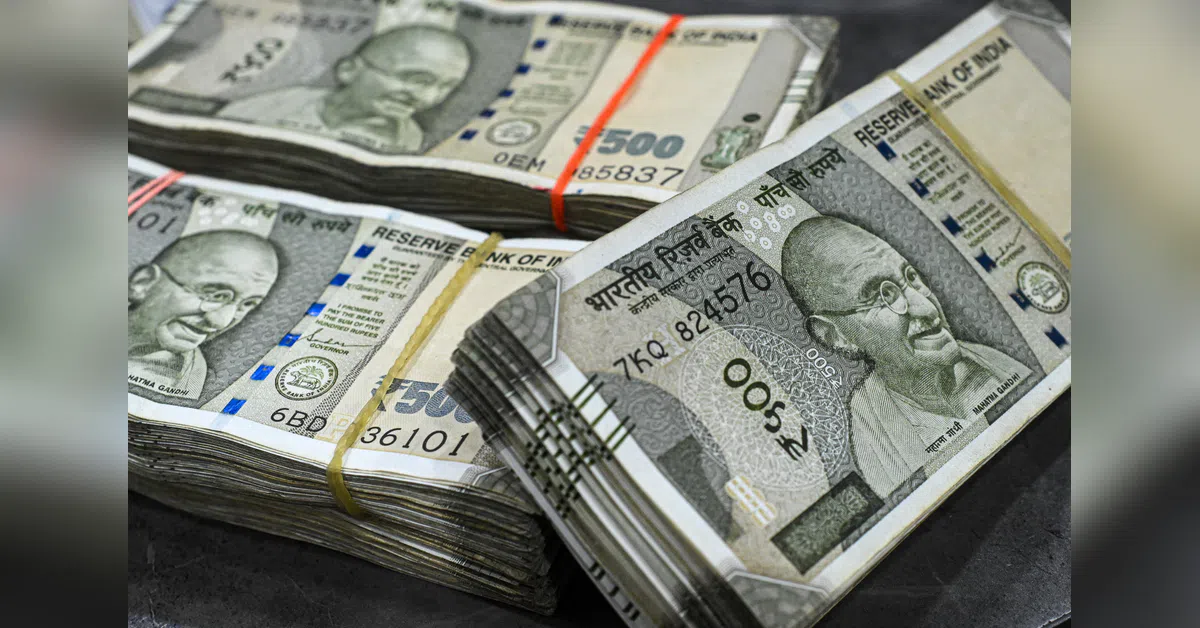
Personal loan provides certainty and overdraft facility provides flexibility. The choice between the two depends on the interest rates, what you need the money for and how long it will take you to repay it.
With banks and fintechs pushing pre-approved credit offers, borrowers are now comparing overdraft (OD) facilities with standard personal loans before borrowing. Although both provide instant access to funds, there is a significant difference in the structure and cost of these products.
How does overdraft work?
Overdraft is a revolving credit line linked to a savings or current account. Banks allow customers to withdraw money in excess of the available balance in the account, up to a pre-approved limit.
Unlike a personal loan, the bank does not transfer a lump sum amount in advance. Borrowers can draw the limit whenever required and repay it partially or fully as per their convenience.
Interest is charged only on the amount actually utilized and generally on a daily reducing balance basis. This makes overdraft useful for temporary cash-flow mismatch or emergency liquidity needs.
Banks generally provide overdraft facilities to salary account holders, businesses and customers with strong banking relationships. The sanctioned limit is often linked to income level, account balance pattern or existing fixed deposits.
Personal loans provide structure and certainty
In a personal loan, a fixed amount is deposited directly into the borrower’s bank account. The borrower repays the loan through fixed equated monthly installments (EMIs) over a pre-determined period.
Since personal loans are unsecured, no collateral is required in most cases. However, lenders assess income, repayment history, and credit score before approval.
Interest on personal loans is charged on the entire sanctioned amount from day one, regardless of how much money is actually used.
Financial planners say this makes personal loans more suitable for planned expenses where the amount required is already known.
Interest costs may change the equation
The biggest misconception among borrowers is that overdraft is always cheaper as interest is applied only on the amount used.
In fact, overdraft facilities often have higher interest rates than personal loans. Market data from banks and lending platforms suggests that overdraft rates can range between 18 percent to 24 percent annually, or even higher in some cases, while personal loans are often available at relatively low rates for borrowers with strong credit records.
The effective cost of an overdraft can increase rapidly if the borrower remains overdrawn for a long period or repeatedly rolls over the balance.
Meanwhile, personal loans offer more predictable repayment schedules and fixed monthly outflows, helping borrowers budget better.
When does overdraft occur?
Overdraft is usually more suitable when:
- The need is short-term or uncertain
- Money may be required in parts rather than all at once
- The borrower expects to repay quickly
- There are irregular income flows or temporary liquidity gaps
- The amount required is relatively small
For example, a self-employed professional who is awaiting client payment or a salaried individual who is facing a temporary cash crunch at the end of the month may benefit more from the OD facility.
Since borrowers can make withdrawals and repayments multiple times within the sanctioned limit, this facility offers flexibility that standard loans do not.
When can a personal loan be better?
A personal loan is generally more suitable when:
- Spending is planned and adequate
- The borrower needs the entire amount upfront
- Repayment will take place over several years
- Fixed EMI is preferred for budgeting
- Low borrowing costs are a priority
Typical use cases include marriage, medical treatment, higher education, travel or home improvement.
Borrowers with a strong credit profile and CIBIL score above 700 generally get better personal loan rates and higher sanctioned amounts.
Borrowers should keep an eye on hidden risks
Financial advisors warn that overdraft facilities may encourage more borrowing as repayment is flexible and there is no fixed EMI discipline.
Many borrowers also underestimate the impact of using the overdraft limit consistently for months. What starts out as short-term borrowing can eventually turn into expensive rolling debt.
On the other hand, personal loans impose strict repayment discipline through monthly EMIs. However, missing EMIs can damage credit score and lead to penal charges.
Borrowers should also compare:
- processing fees
- Renewal Fee in Overdraft
- foreclosure or prepayment costs
- penal interest clauses
- Whether the rates are fixed or floating
Banks are required to disclose these charges in a transparent manner under regulatory fair-dealing norms.
Which should borrowers choose?
The decision ultimately depends on three factors – tenure, amount required and repayment behaviour.
For short-term liquidity assistance, an overdraft can be efficient if paid off quickly. For larger planned expenses spread over a longer period, personal loans usually offer greater repayment clarity and less overall stress.
Some borrowers use both personal loans and overdrafts as an emergency liquidity buffer for strategically planned expenses.
Before choosing any option, borrowers should compare the annual percentage rate (APR), total repayment cost and impact on monthly cash flow rather than focusing only on the main interest rates.

ys2j37