

Reality Stars Who Created a Huge Empire
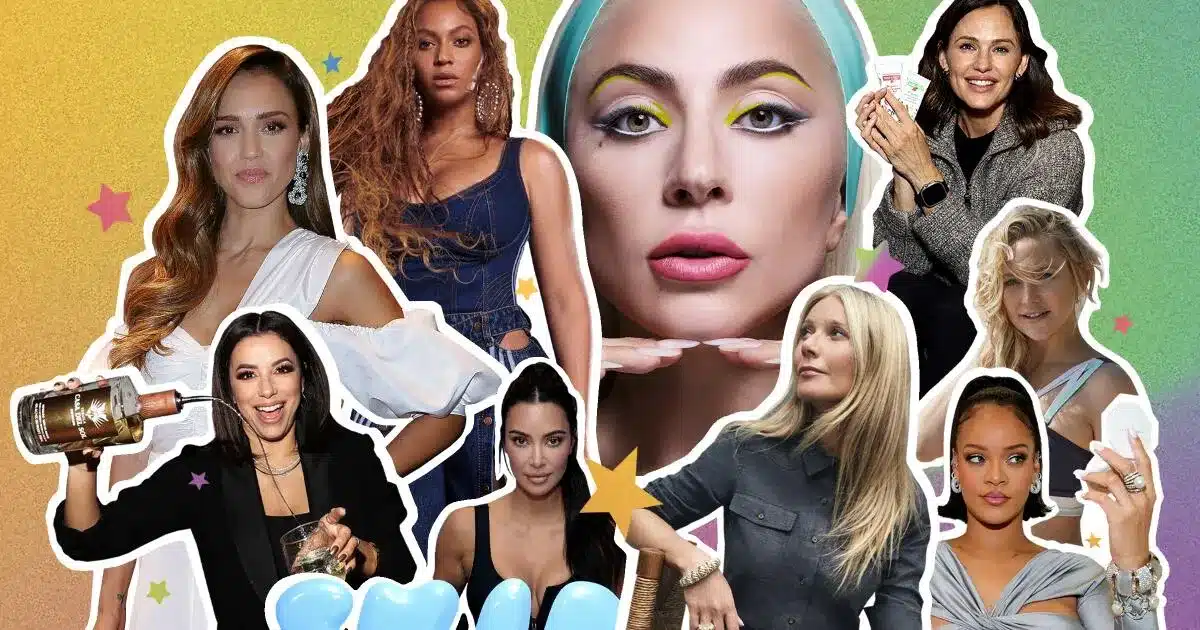
Reality Stars of television has long been dismissed as fleeting entertainment, but for some stars, it’s been the launchpad for billion-dollar business empires. These contestants turned moguls leveraged fame, savvy branding, and relentless hustle to build lasting legacies in beauty, fashion, tech, and lifestyle. From lip kits to shapewear, here’s how five standout reality stars transformed screen time into staggering wealth.
Names of the Reality Stars Became Zero to Hero
1. Kylie Jenner: From KUWTK to Billionaire Cosmetics Queen ($1 Billion Net Worth)
Kylie Jenner’s rise epitomizes reality TV’s entrepreneurial power. Gaining fame on Keeping Up with the Kardashians (2007-2021), the youngest Jenner sister capitalized on her massive social media following (400M+ Instagram followers) to launch Kylie Cosmetics in 2015. Starting with $250K in lip kits, it exploded to $420M in sales within 18 months, earning her Forbes’ youngest self-made billionaire title at 21 (later adjusted).
Today, Kylie Cosmetics and skincare line Kylie Skin generate hundreds of millions annually, with expansions into perfumes and baby products. Jenner diversified via 818 Tequila (valued at $200M+) and investments in Coty (sold 51% stake for $600M). Her empire thrives on direct-to-consumer sales, influencer marketing, and viral launches—proving reality fame can fuel authentic business dominance.
2. Kim Kardashian: SKIMS and Beyond ($1.8 Billion Net Worth)
Kim Kardashian West turned a 2007 sex tape scandal into KUWTK stardom, then a multifaceted empire. Her first venture, KKW Beauty (2017), hit $100M in sales in one day via contour kits. Though shuttered in 2021, it paved the way for SKIMS, her shapewear and loungewear brand launched in 2019.
SKIMS reached unicorn status ($1.6B valuation) after a $270M investment from Hanesbrands, with 2024 sales topping $1B. Kim also co-founded private equity firm Skims Capital and mobile app SKIMS Mobile. Beyond business, she’s a law student advocating criminal justice reform. Her formula: leverage 360M followers for scarcity-driven drops, collaborations (Fendi x SKIMS), and inclusive sizing.
3. Bethenny Frankel: Skinnygirl to Media Mogul ($80M+ Net Worth)
Real Housewives of New York City alum Bethenny Frankel bootstrapped her empire from margarita recipes. Launching Skinnygirl Cocktails in 2009, she sold it to Beam Suntory for $100M in 2011—retaining merchandising rights worth millions more.
Frankel expanded into apparel, books (Naturally Thin), and podcasts (Just B). Her B Strong foundation raised $25M+ for disasters. With 2.5M followers, she monetizes via speaking gigs ($100K+ each) and Bravo residuals. Frankel’s blueprint: niche products solving real problems (low-cal booze for dieters), authentic branding, and swift exits for max profit.
4. Molly-Mae Hague: Love Island to Beauty Billionaire (£14M+ Net Worth)
UK Love Island (2019) runner-up Molly-Mae Hague built a four-company empire from influencer status. Her tanning brand, Filter by Molly-Mae, sold out instantly; she became PrettyLittleThing’s Creative Director (£1M deal).
Plum Skin and Maebe clothing line followed, with collective revenue exceeding £50M. Hague’s strategy: TikTok virality (10M followers), affordable luxury, and relatable “girl next door” vibe. Post-maternity, she expanded into wellness, proving short-form fame yields long-term e-commerce gold.
5. Spencer Matthews: Made in Chelsea to Spirits Tycoon (£35M+ Net Worth)
Made in Chelsea bad boy Spencer Matthews pivoted from party antics to premium ventures. His CleanCo low/no-alcohol spirits brand hit £10M revenue by 2025, stocked in 5K+ UK stores. Investments in property and fitness apps add diversification.
Matthews charges £2K per Instagram post and stars in family docs (£400K deals). His arc: channel notoriety into “sober curious” trend, blending authenticity with sobriety advocacy post-rehab.
The Reality-to-Empire Formula
These stars share traits: explosive social reach (Instagram/TikTok as sales engines), niche problem-solving (body positivity via SKIMS, guilt-free drinks via Skinnygirl), scarcity marketing (limited drops), and diversification (beauty to booze). Challenges like backlash (Jenner’s “self-made” debate) or market saturation persist, but data shows celebrity brands outperform averages—SKIMS grew 50% YoY.
Reality TV democratizes entrepreneurship, turning “ordinary” faces into moguls. As streaming fragments audiences, expect more Hauswives and Islanders building next-gen fortunes. Their stories inspire: fame is fuel, but execution builds empires but the opposite also may happen that they may loose wealth and become zero from hero.
8dunux