Weekly Economy Details: PMI Rebo
It was a busy week for India’s economy, with regional data pointing to steady demand while policymakers continued to push for investment-led growth. Business activity improved in April, steel consumption rose and Moody’s said India was better placed than many emerging markets to weather global shocks. While the Middle East war caused disruption in many sectors, there was one silver lining: domestic demand is still doing the heavy lifting. Despite this, concerns remained: manufacturing companies faced intense cost pressures, foreign exchange reserves fell, and the debate over India’s inflation target revealed that policy choices may be more complex if growth remains strong and inflation remains stable.
Tax collection increased, but less than target
Gross direct tax collections stood at around ₹28.12 trillion, while refunds declined by 1.09 per cent to ₹4.71 trillion.
PMI data shows demand remains firm
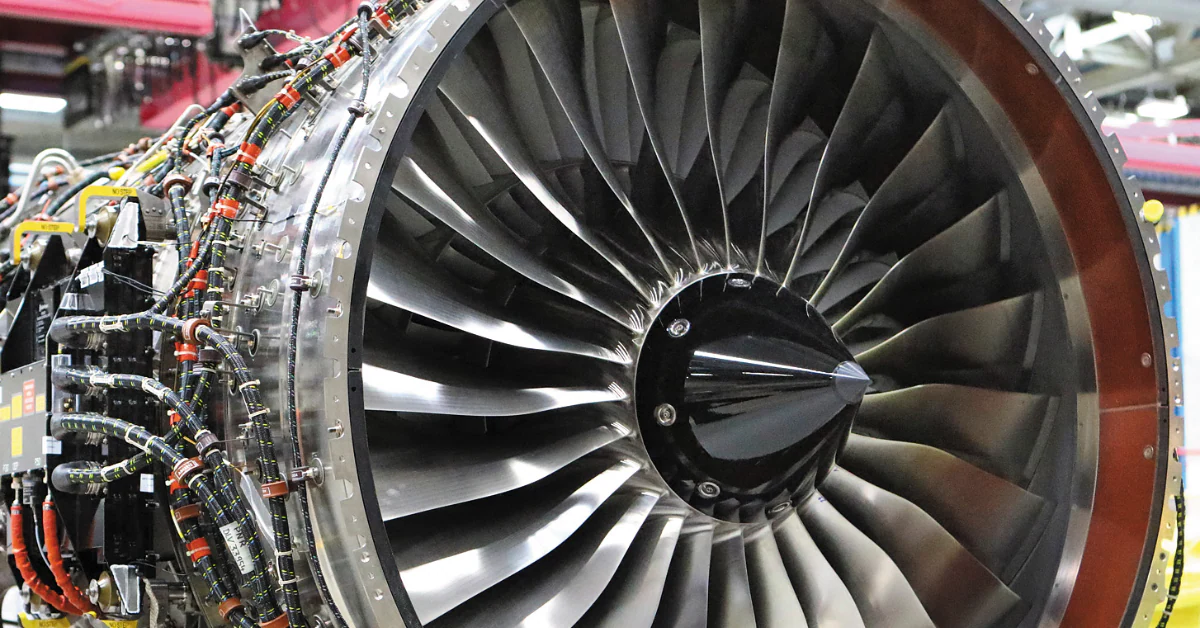
Manufacturing activity improved in April, with the HSBC India Manufacturing PMI rising to 54.7 from 53.9 in March. Strong export orders helped the recovery, but companies also reported higher input costs, which rose at the fastest pace since August 2022.
Moody’s sees resilience, RBI looks ahead
At the same time, it identified India’s high debt burden and weak fiscal balance as constraints on fiscal space.
RBI Deputy Governor Poonam Gupta said India could consider a lower inflation target and a narrow tolerance band if strong growth and stable inflation continue over the next five years. The current framework calls for the RBI to keep inflation at 4 per cent till March 2031, with a tolerance band of 2 percentage points on either side.
Cabinet extends to farms, rail and shipping
The Cotton Mission aims to almost double the productivity and increase production to 49.8 million bales by 2030-31. The Cabinet also approved an emergency credit guarantee scheme for aviation and MSMEs.
It also approved a ₹1,570 crore ship repair facility at Vadinar in Gujarat, which aims to reduce India’s dependence on foreign shipyards.
Semiconductor, steel and strategic ties move forward
On the external front, India and Japan signed agreements on medical devices and quantum science, while India and Vietnam agreed to strengthen cooperation in peaceful uses of nuclear energy, including the supply of cobalt-60 to Hanoi.