BJP’s alliance in Andhra is tied in a bind
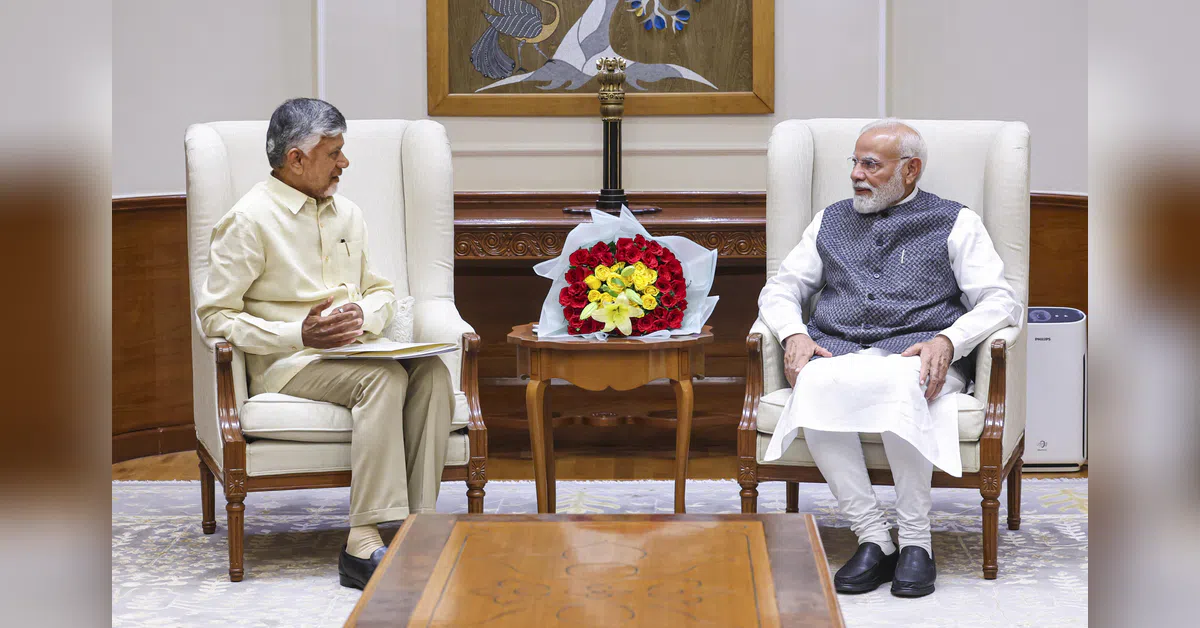
But he was not alone. YSR Congress leader and Mr Naidu’s rival in the state Jagan Mohan Reddy also attacked the opposition over the bill while supporting the BJP. Mr Reddy has targeted the TDP and Mr Naidu, almost never the BJP, especially after the 2024 Lok Sabha elections. Glowing explanations like pending Enforcement Directorate cases alone do not explain his politics.
With the two most powerful political forces coming out in support of each other, the BJP stands to gain and lose at the same time.
Despite its best efforts, the BJP’s vote share remained in single digits in the state assembly elections. In 2014, its vote share in Lok Sabha constituencies was 7.22 percent. In 2019 it fell to about 0.98 percent. In the 2014 assembly elections, it was 4.13 percent and in 2019 it dropped to 0.84 percent. The party recovered in 2024, securing 11.2 percent in the Lok Sabha elections, but stalled at 2.83 percent in the Assembly (since 1999, Lok Sabha and Assembly elections have been held simultaneously in the state).
In its conscience, the party thought the problem lay with the leadership of its state unit. Last year, opting for a strategic choice, it appointed PVN Madhav as state president, replacing D Purandeswari. She served only two years as head of state, but many believed she was constrained by family and caste ties (her sister is married to Mr Naidu). In contrast, Mr. Madhav belongs to the Other Backward Class (OBC), belongs to the Akhil Bharatiya Vidyarthi Parishad (ABVP), and has been with the Rashtriya Swayamsevak Sangh throughout his political career. His job was to grow the BJP in the state without alienating the TDP so that the BJP has a respectable presence in the state by 2029, when the next assembly elections will be held.
It was like stepping on an egg. BJP cannot form an alliance with YSR Congress. Mr Reddy’s Christian ties are a complication, although he seems to have no problem accepting their strategic support.
But Andhra Pradesh has a 10 per cent Muslim population, which could significantly impact the prospects in specific constituencies in Guntur, Krishna and Nellore districts and the Rayalaseema region. Mr Naidu is well aware of this and during the election campaign he tried to assure Muslims that their interests would not be harmed by an alliance with the BJP. He promised several initiatives for the community if the alliance came to power, such as Haj subsidy, ₹5,000 every month for mosque maintenance, and the bride scheme, which promised ₹1 lakh to Muslim brides. He also vowed to maintain 4 percent reservation (apart from the OBC quota) for Muslims.
BJP did not like this but could not say anything. While campaigning in the neighboring state of Telangana, Prime Minister Narendra Modi had said in a speech, “As long as Modi is alive, I will not allow reservation of Dalits, tribals, OBCs to be given to Muslims on the basis of religion.” But not in Andhra Pradesh.
The net result is that the party has had to limit its aims to issues like motherhood and apple pie. For example, to celebrate 75 years of its founding earlier this month, the party launched an outreach campaign named “Mana Ooru-Mana Jenda”, which was basically aimed at telling people about the Centre’s initiatives for the state. The man leading the charge of corruption in real estate deals in the state, especially in the development of Amaravati, is Jagan Mohan Reddy.
Many in the BJP believe that being a partner in the ruling coalition in a state is always at the cost of the party’s growth, be it in Odisha, when it was with the Biju Janata Dal, or in Punjab, where it was with the Shiromani Akali Dal. Compelled by the compulsion to play nice with the government, the party has to reduce itself to a whiny-faced presence before the ruling party wielding the political whip. It hasn’t been able to get out of the straitjacket yet. But ultimately, if he wants to go anywhere in Andhra Pradesh, he may be forced to do so.