

How Fashion Shapes Your Daily Life Choices
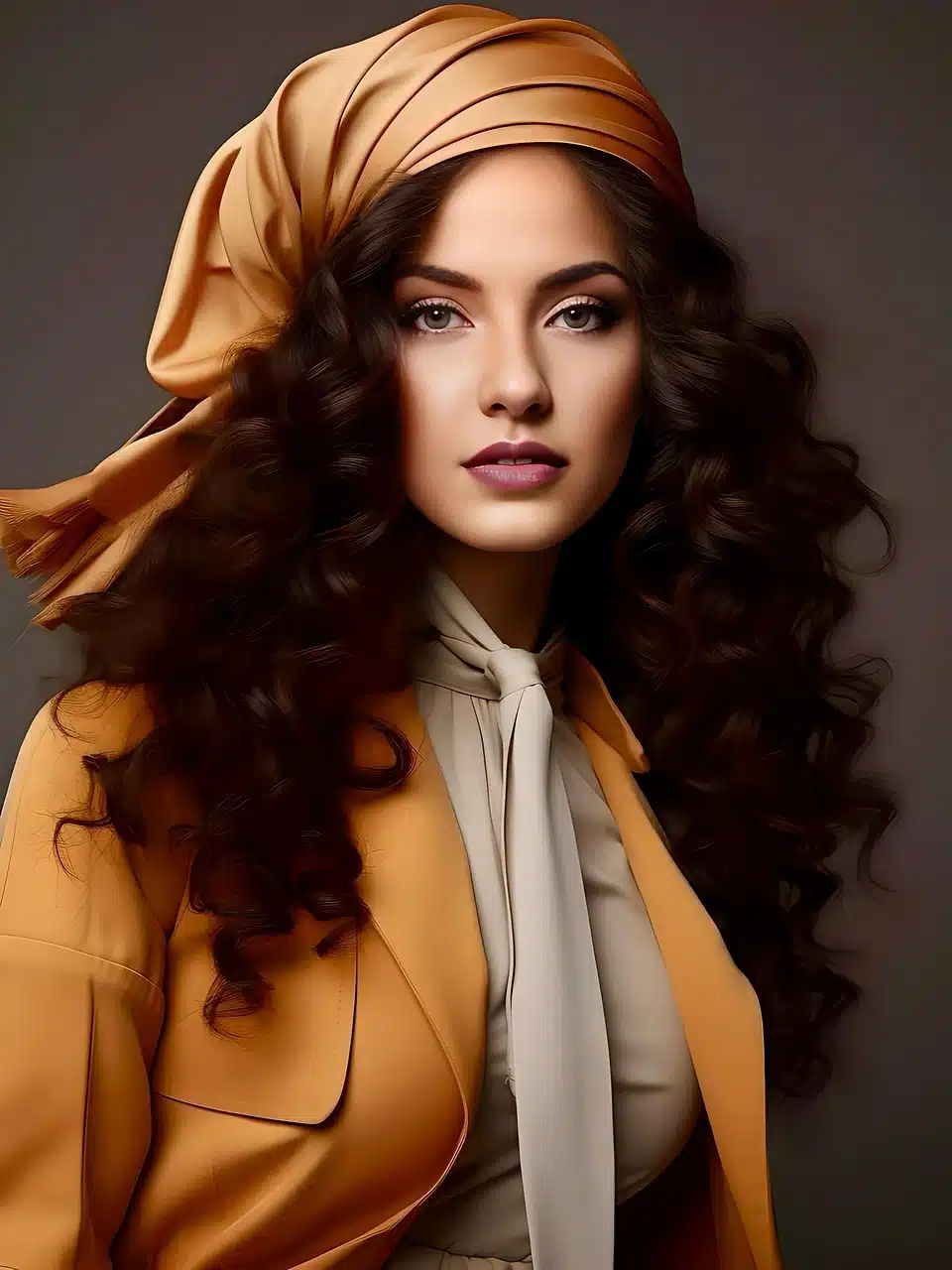
Fashion is more than just clothing or style; it is a powerful form of self-expression and communication that significantly influences daily life choices. From the way individuals present themselves to the decisions they make about social interactions, work, and identity, fashion permeates various aspects of life. The impact of fashion stretches beyond aesthetics, shaping perspectives, priorities, and even emotions.
Fashion as a Reflection of Identity
One of the primary ways fashion shapes daily life is through its role in expressing identity. Choices in clothing and accessories allow people to visibly declare who they are. Cultural background, personal values, lifestyle, and social status can all be communicated through fashion. This expression influences interactions—whether at work, social gatherings, or online—and affects how individuals are perceived and treated by others. For example, dressing formally in professional environments often correlates with being taken seriously, while casual or avant-garde styles may evoke creativity and openness.
Influencing Behavior and Confidence
Fashion shapes not only others’ perceptions but also how individuals feel and behave. Wearing clothing that aligns with one’s self-image fosters confidence and comfort, impacting daily decision-making, from speaking up in meetings to social engagement. Conversely, uncomfortable or inappropriate clothing can diminish self-esteem and influence withdrawal. This psychological effect, sometimes called “enclothed cognition,” highlights how garments inspire certain mindsets, promoting motivation, professionalism, or relaxation depending on the style chosen.
Setting Priorities and Lifestyle Choices
The fashion one embraces often aligns with broader lifestyle choices such as sustainability, health, and social responsibility. A preference for environmentally friendly, ethically produced clothing may correlate with daily choices like reducing waste or supporting local economies. Conversely, fast fashion consumption ties into rapid trends and consumerism, shaping spending habits and attitudes toward material possessions. Additionally, fashion needs can influence practical decisions such as fitness routines, travel plans, and social calendar participation.
Social and Cultural Influence
Fashion trends reflect and reinforce social and cultural norms, which guide behavior and daily decisions. Seasonal changes, cultural festivals, and regional customs emotionally tie fashion to specific occasions and practices. Being aware of or conforming to these fashion codes helps individuals navigate social acceptance and group dynamics. For instance, cultural attire worn on special occasions fosters belonging, while subcultural fashion choices can provide a sense of community and purpose.
Impact on Professional and Social Interactions
In jobs requiring client interaction, uniformity, or creativity, fashion directly relates to opportunities and relationships. Dressing appropriately for different contexts affects first impressions, networking, and career advancement. Social life is similarly influenced—what one wears may determine accessibility to social circles or events, signaling openness, status, or shared values. Online, fashion shared through images and videos contributes to personal branding and influences digital communication and opportunities.
Emotional and Psychological Expression
Fashion also serves as a coping and creative outlet. Many select colors, textures, and styles that resonate with their mood or aspirations, using fashion to regulate emotions or experiment with identity. Mood-based fashion choices—dressing bright to boost spirits or wearing comfort clothes to relax—interconnect with emotional health, shaping daily routines and self-care patterns.
Conclusion
Fashion shapes daily life profoundly by acting as a mirror of identity, a tool for confidence, and a catalyst for lifestyle and social choices. It intertwines with culture, emotion, and opportunity, influencing everything from professional paths to personal well-being. Understanding fashion’s impact empowers individuals to make mindful choices, utilizing style not just to follow trends but to authentically express and shape their unique life journeys.
nsbqle