

Weekly Economy Brief: Tariff on Gold
More than two months after the war broke out in West Asia, its impact started becoming visible on retail consumers as oil marketing companies (OMCs) increased the prices of petrol and diesel in four metro cities.
The government this week took action on gold imports, sugar exports, energy security and foreign exchange buffers, as geopolitical uncertainties turned into a domestic macroeconomic stress test.
External account tension deepens
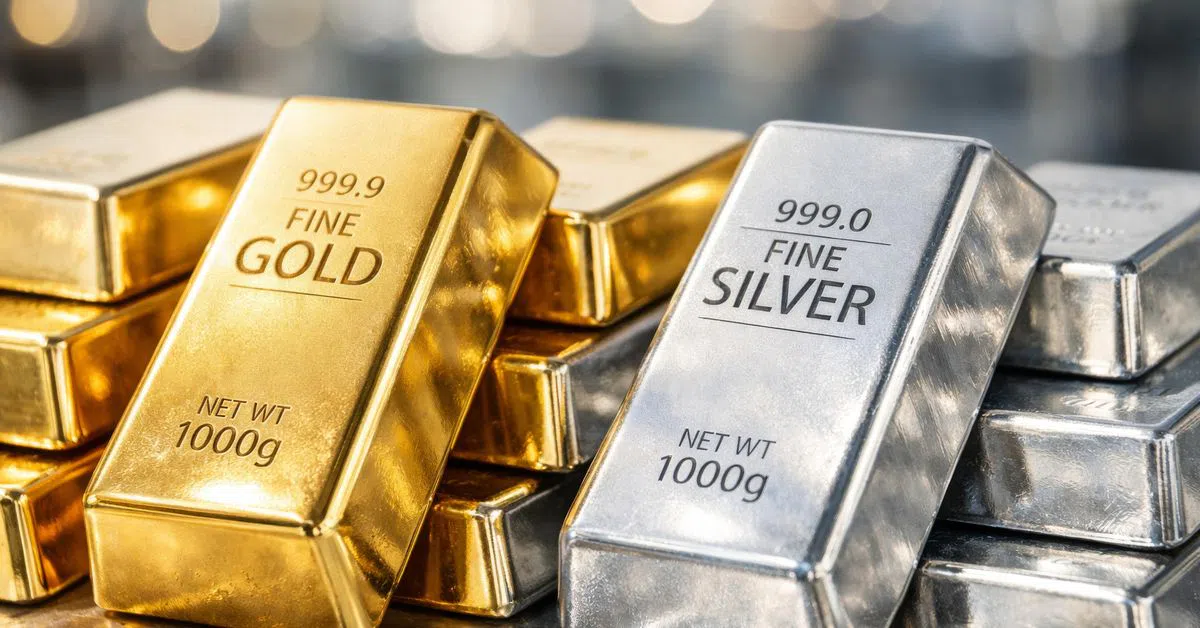
The government increased import duty on gold and silver to 15 percent to curb imports, reduce trade deficit and support the currency.
The rupee also hit a new low of 95.75 per dollar under pressure from crude oil prices, foreign portfolio outflows and dollar demand.
However, foreign exchange reserves provided some relief and increased by $6.29 billion to $696.99 billion in the week ended May 8, led by higher gold reserves. Exports rose 13.78 percent to $43.56 billion in April, while imports rose 10 percent to $71.94 billion, leading to a trade deficit of $28.38 billion.
Inflationary pressure has returned
Retail inflation rose to 3.48 percent in April due to rising food prices, while wholesale inflation rose to a 42-month high of 8.3 percent due to rising fuel and energy costs. The pressure passed directly to consumers after oil marketing companies increased petrol and diesel prices by nearly ₹3 per liter in the four metros.
To protect domestic supplies, India also banned exports of raw, white and refined sugar till September 30, with exemptions for tariff-rate quota shipments to the US and EU.
Oil gets a blow from growth forecasts
CRISIL cut India’s FY2027 growth forecast to 6.6 percent from 7.1 percent, citing higher crude prices, subdued global growth and monsoon risks. Moody’s cut its 2026 India growth forecast to 6 percent, saying the country remains vulnerable due to its dependence on imported crude oil and LNG.
Energy security drives policy action
India rejected approved Russian LNG but sought extension of US waiver on Russian oil as supply concerns persist. The Cabinet also approved a ₹37,500 crore coal gasification scheme to cut import dependence.
However, Petroleum Minister Hardeep Singh Puri said India has no fuel shortage, with 60 days of crude oil and LNG stock.
Prime Minister Narendra Modi’s UAE visit also focused on energy. The visit secured investment commitments of $5 billion and energy, defense and AI agreements, including strategic petroleum reserve cooperation.
RBI manages the financial pipeline
RBI announced switch auction of government securities worth Rs 30,000 crore to reduce rollover risks and ease outward remittance rules for non-bank entities, shifting the compliance responsibility to authorized dealer banks.
fywq1u