June jobs data disappoints. Yes
The decline in payroll expectations and revised data for April and May have put the Fed in a difficult position for a rate cut.
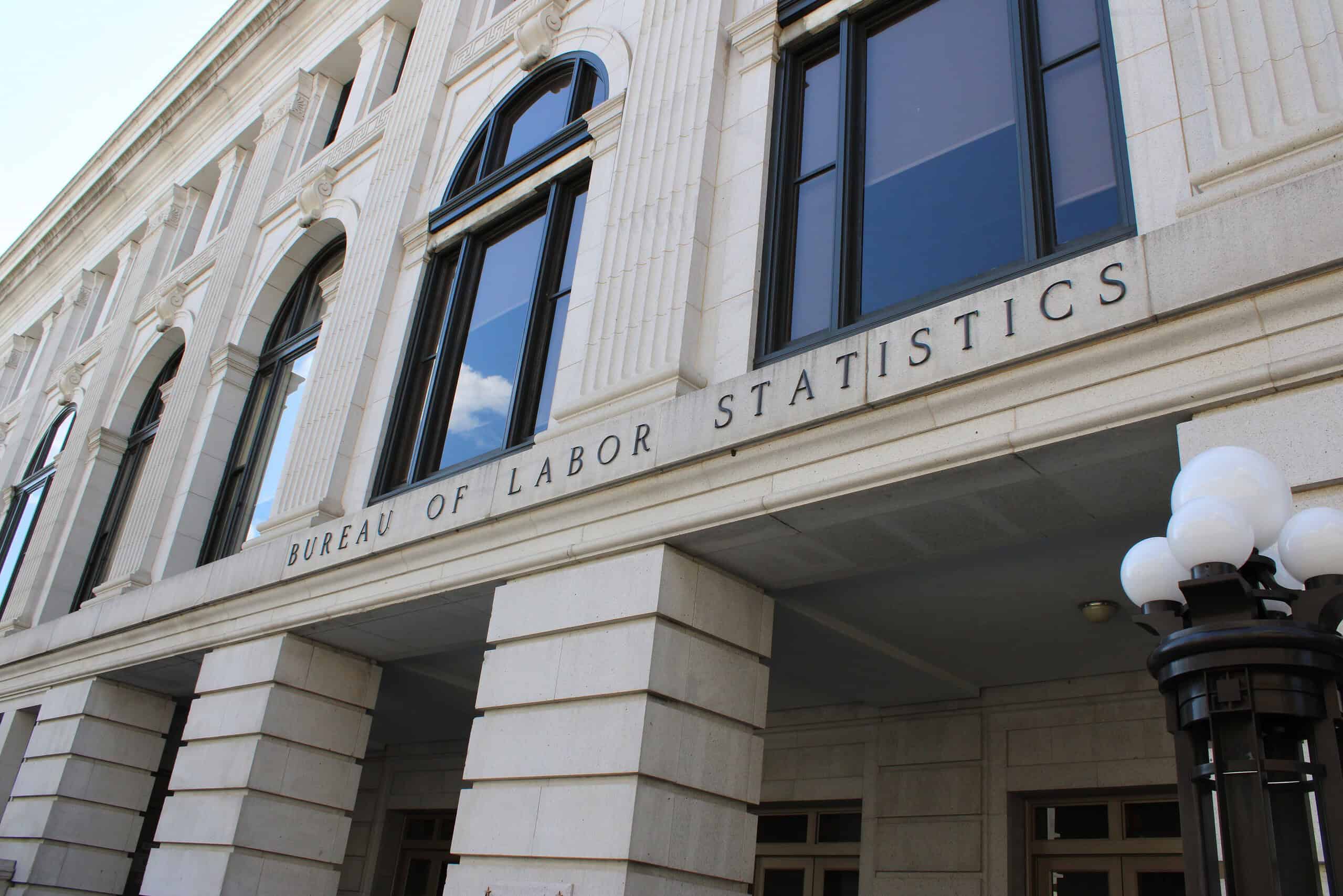
June’s employment numbers were almost unchanged from the previous month, as the Bureau of Labor Statistics reported a 4.2% unemployment rate and an estimated 57,000 nonfarm payroll jobs, about half the 115,000 economists expected.
Additionally, the agency also revised down total non-farm payrolls for April and May by 31,000 and 43,000 jobs, respectively.
The financial activities sector had no job growth in June, after losing 22,000 jobs in May and 43,000 since the end of January, according to BLS data. Meanwhile, the most jobs were added in health care and social assistance in June, with 46,600. Sectors with the largest job losses included leisure and hospitality (-61,000), information (-9,000), and retail trade (-7,500).
sunnier number
“We know people are taking longer to find work, but there are also signs of labor supply shortages in some industries,” ADP chief economist Nella Richardson said in the company’s national employment report for June. “At the moment, the overall effect is a slowdown in job creation.”
Using its proprietary methodology developed with the Stanford Digital Economy Lab, ADP estimated that U.S. private employers added 98,000 jobs in June. Financial activities saw an increase of 14,000 jobs, putting it behind only education and health services (48,000) and trade, transport and utilities (15,000) in job creation.
Small businesses remain the largest source of hiring, with companies with 1-19 employees adding 38,000 new jobs. Companies with more than 500 employees added an additional 25,000 new positions. Companies between those sizes added 44,000 new jobs.
devastating rate cuts
The revised April and May employment numbers and the lower-than-expected June numbers suggest the labor market will be softer than previously expected in the second quarter.
According to the authors of a blogpost on the Curzio Research website, the new data have raised fears of a possible rate cut for the Federal Reserve, as inflation remains close to its 2% target.
“But the slowing labor market argues for cuts to support growth before conditions worsen,” he wrote. “This is why revisions matter. Every policy decision is only as good as the data behind it. If the Fed is reacting to numbers that turn out to be weak after the fact, it risks staying tight too long.”
Rob Daly covers fintech and the economy. Contact her at rdaly@gfmag.com.