India may soon ban plastic
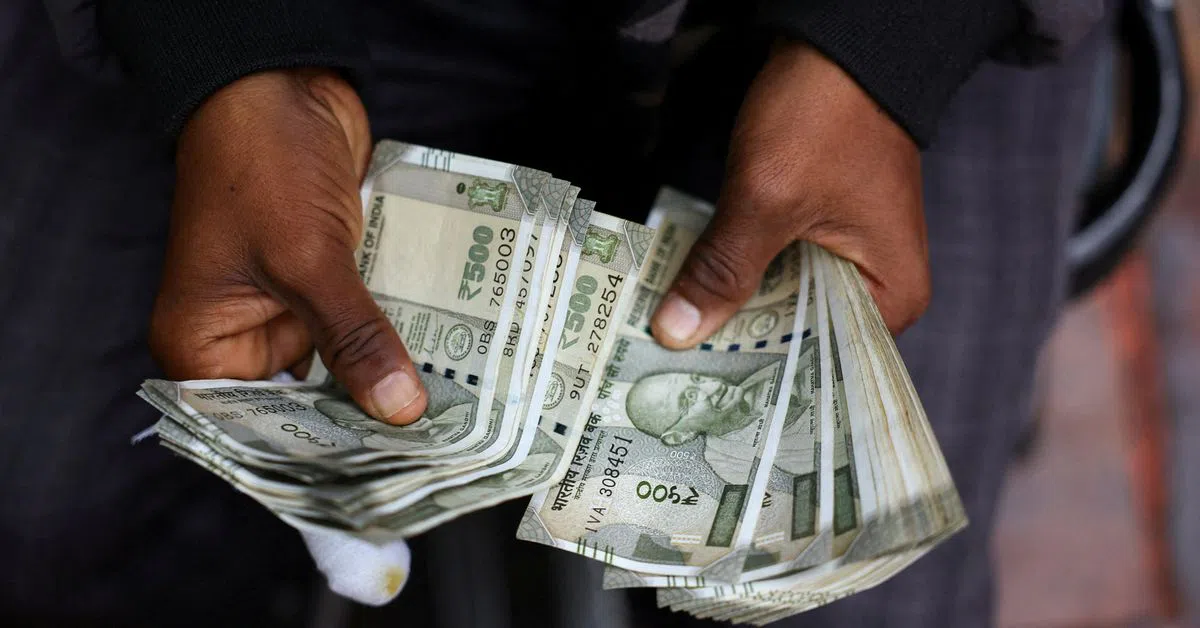
The Reserve Bank of India (RBI) has revived the idea of printing polymer banknotes for circulation to meet the increase in demand for currency notes over the past few years.
According to several sources with knowledge of the matter, the issue of introducing polymer or plastic notes was discussed in the last two board meetings of the central bank held in Patna and Mumbai.
This decision has been taken in view of the perceived advantage in production cost and longer shelf life of such currency notes. A pilot project involving plastic banknotes for public use is expected to be announced soon.
“There are clear advantages in the cost of production of such notes compared to the paper notes currently in use. Moreover, automated teller machines (ATMs) will be able to dispense polymer-based notes. We now have the means to do so,” said one of the sources familiar with the board’s deliberations.
The RBI in its annual report for FY 2025 had said the expenditure on printing of paper currency notes in secure form during 2024-25 (FY25) was ₹ 6,372.8 crore, compared to ₹ 5,101.4 crore during the previous year, mainly due to increase in indent for printing of bank notes.
Increasing the shelf life of bank notes was an equally important consideration for the decision to adopt polymers, as disposal of soiled bank notes remains at a high level. The data shows that 23.8 billion soiled bank notes were disposed of in fiscal 2015, up 12.3 percent from 21.24 billion pieces the previous year. The most soiled notes were of ₹500, followed by ₹100 banknotes.
Currency in circulation (CiC) continued to grow at a rapid pace, rising 11.5 per cent year-on-year to ₹42.86 trillion – a record high – as of May 15. In absolute terms, CiC expanded by ₹1.15 trillion during the first one-and-a-half months of FY27, indicating continued demand for cash despite continued growth in digital payments.
Sources said high demand for lower denomination bank notes like ₹10, ₹20 was evident in the last few years. However, the share of such notes in the total bank notes in circulation remained low. For example, in value terms, the ₹10 denomination stood at 0.7 per cent over the past two years, while the ₹20 banknote stood at only 0.8 per cent.
Although the Indian central bank made a conscious effort to popularize the use of coins, that effort did not yield the desired results. The total number of coins increased from approximately 1.2 billion in FY24 to 1.5 billion in FY25, of which ₹5 denomination coins accounted for 800 million, followed by 400 million ₹20 coins.
In 2012, the then government had decided to introduce coins worth one billion rupees. 10 Banknotes on polymer substrate based on field testing in five cities. The United Progressive Alliance (UPA) government had said that the primary objective of the introduction of plastic notes was to extend their shelf life, and not to tackle counterfeiting. However, the project was shelved due to technical challenges.
Things have changed over the last decade or so, sources stressed, adding that the said technology is no longer a challenge, and solutions have been devised to ensure that ATMs can identify such notes.
There are about 60 countries in the world that have introduced polymer banknotes so far. Australia was the first country to introduce polymer banknotes, starting with the ten dollar note in 1988, followed by Singapore, Indonesia, Thailand, Malaysia. Romania was the first European country to use plastic notes in 1998, while Canada introduced similar notes in 2011. US dollar notes are made of a special cotton-linen blend material.