DMart Q4 growth at stores is strong
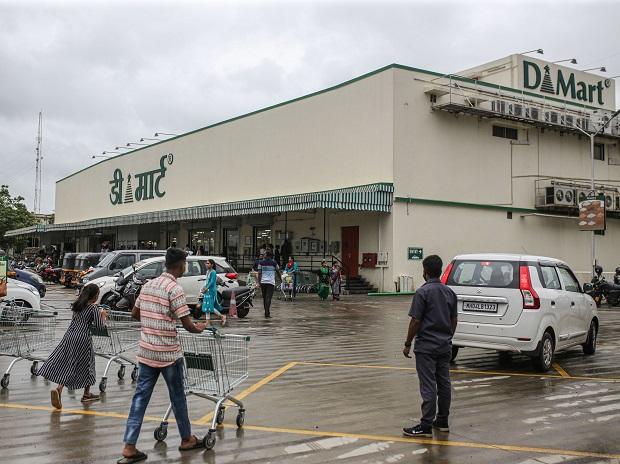
But profitability may be low due to high operating costs and high general merchandise and apparel costs. The return on capital employed (ROCE) from investment in new stores has also declined. Gross profit margin has been in the range of 14-14.5 per cent during FY21-FY25. But gross margins may now be under pressure, and that could lead to lower operating profit margins.
DMart is looking for store clusters, trying to deepen its presence where it is already present before entering new cities. Notably, of the 58 new stores in Q4FY26, 48 were added in March alone. However, DMart has also entered new markets in Haryana, Goa and Odisha.
Brick and mortar contributes 95 percent to the revenue. DMart is a discount grocery retailer, and under the DMart Ready brand, the company is expanding online, offering app-based, home delivery or pickup options for grocery and household essentials. Management had earlier noted that real estate inflation hurt ROCE, which declined by 130 basis points (bps) to 17.1 per cent in FY2025 from 18.4 per cent in FY24. During FY25, DMart reported negative free cash flow of ₹750 crore, with capital expenditure of ₹3,300 crore.
While revenue and operating profit growth could be in the mid-teens by FY28, lower gross merchandise, weak performance in mature stores and lower same store sales growth could keep margins down. Rising competitive intensity from online grocery/quick commerce (QCom) in metros/tier-1 cities could be another concern. QCom players are seeing market share losses and may continue in big cities and metros. Even new QCom entrants like Amazon have enough money to sustain their rollouts.
For DMart, higher store additions could boost FY27 and FY28 revenue growth, perhaps in the high teens, like 19 per cent in Q4FY26, even if margins remain a concern. Of the 85 new stores in FY2026, more than 70 new stores have been added in tier-II and tier-III cities, where qcom is not a current concern.
This policy of aggressive store expansion may continue under the new chief executive officer (CEO). The company’s update is that its Q4FY26 standalone revenue stood at ₹17,200 crore, indicating revenue growth of 19 percent YoY. This was faster than the annual standalone sales growth of 13.2 per cent in Q3FY26.
Given lingering inflation fears, DMart may also benefit from fast-moving consumer goods (FMCG) product inflation and the shift towards value retail. Analysts are likely to upgrade revenue estimates for FY27 and FY28, and are also raising earnings estimates due to store additions even as margins decline.
Value investors will see a huge mismatch between growth and valuations. DMart’s revenue growth has slowed to less than 20 per cent, from an annual growth of less than 30 per cent earlier. Brick and mortar rivals like Qcom and Reliance Retail are reporting lower growth in same store sales. The stock is highly valued with an average five-year valuation at 90 times earnings at one-year forward price.
The strategy of expanding store network may continue to be a revenue growth driver. The online space is already crowded and it will be difficult for DMart Ready to gain market share. In general merchandise, margins are much higher than in grocery, which is an advantage.
Many analysts have recommended “sell” and “short” based on low growth, low margins and high competition versus very high valuations. DMart’s ownership model leads to longer payouts. The stock is expensive and may remain so with low or negative free cash flow as expansion continues.
The bearish case could be challenged by rapid store rollout, successful penetration of DMart Ready and a strong uptick in discretionary consumption demand, especially in the middle-income demographic.