
Best BS Opinion: Slow Shine
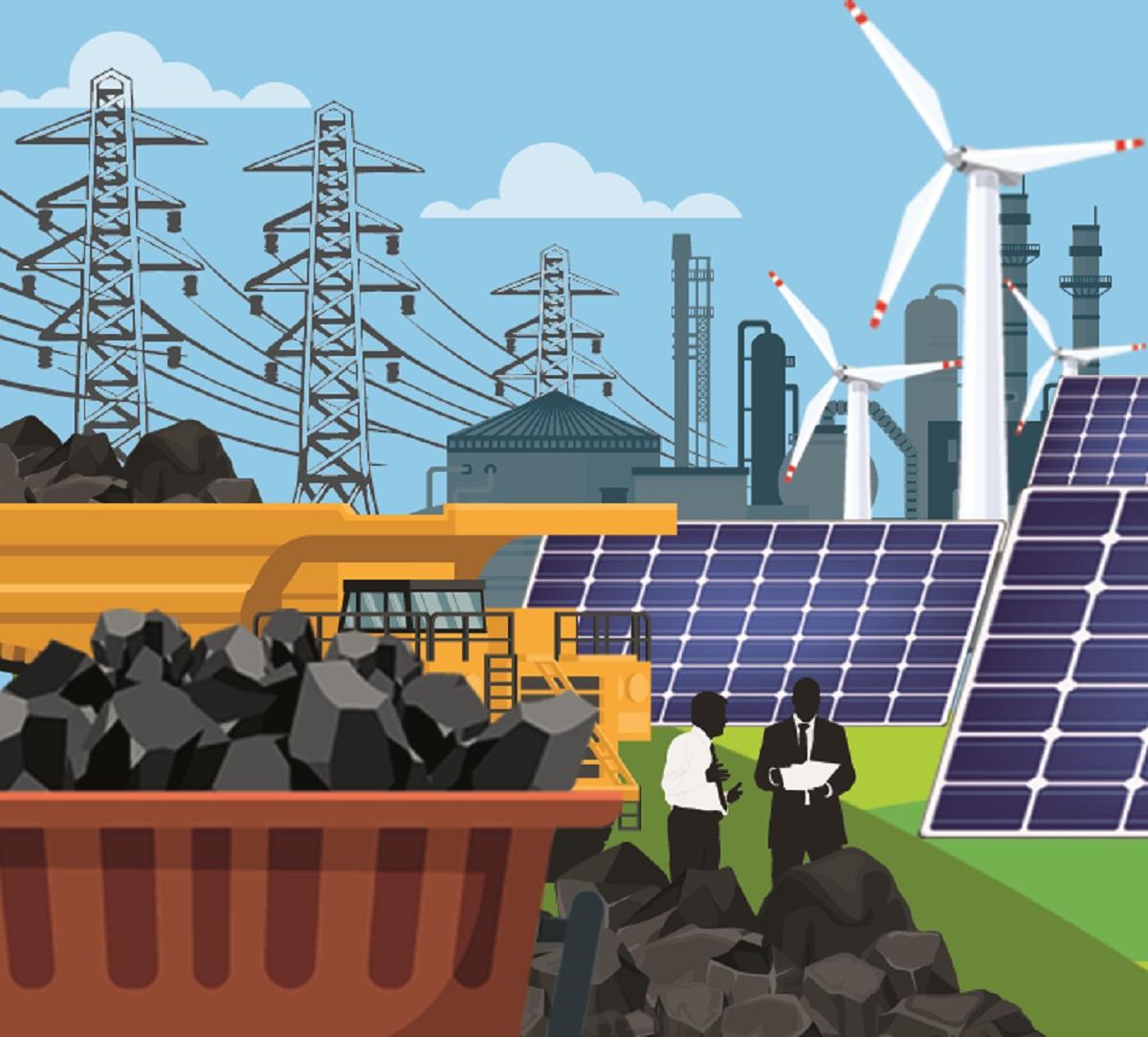
The IMF’s latest outlook points to a slowing global economy due to persistent geopolitical tensions, particularly in West Asia. Growth is projected to slow to 3.1 percent in 2026, even as inflation continues to rise, with even worse consequences likely if energy disruptions intensify. India appears relatively untouched for now with a growth rate of 6.5 per cent due to lack of domestic demand and external pressures like US tariffs. But, As our first editorial points out, The risks are clear: Higher oil and gas prices, coupled with the prospect of a weak monsoon, could drive up inflation and complicate policymaking. The challenge ahead is to control inflation without derailing growth, even as supply-side shocks and global uncertainty persist.
Meanwhile, India’s electronics manufacturing sector is witnessing a significant shift in the workforce composition, with women increasingly driving shop-floor employment. In many groups, their participation has exceeded 50 percent, supported by improved employability and apprenticeship pipelines. As yet, As our second editorial saysThis progress is uneven. Female labor force participation remains low overall, with persistent barriers to security, mobility, and caregiving responsibilities. Many women remain concentrated in low-value roles with limited career progression. The next phase of development will depend on whether policy interventions can translate this initial momentum into sustained inclusion.
corporate governance investigation, Amit Tandon shed light How boards are being expanded is by expanding regulatory expectations. What starts out as incremental additions results in “board overload”. The distinction between monitoring and management is increasingly blurred, with consequences for institutional functioning. The tension between the board and executives, including the recent developments at HDFC Bank, shows the risk of unclear roles. Tandon argues that the quality of governance depends less on additional structures and more on clearly defined responsibilities and disciplined boundaries.
Finally, Vikram Sood’s review great power game, Vappala Balachandran Address Transition from a US-led system to a more competitive global landscape. The book presents a critical view of US policy, linking strategic decisions to economic and industrial interests, while highlighting the growing influence of emerging powers and groupings such as the BRICS. For India, Sood’s argument is simple: navigating this environment will require sustained strategic positioning and long-term investment in capability, rather than mere reliance on favorable global changes.
Stay tuned!
x2i2lx