AI to move towards pricing deals
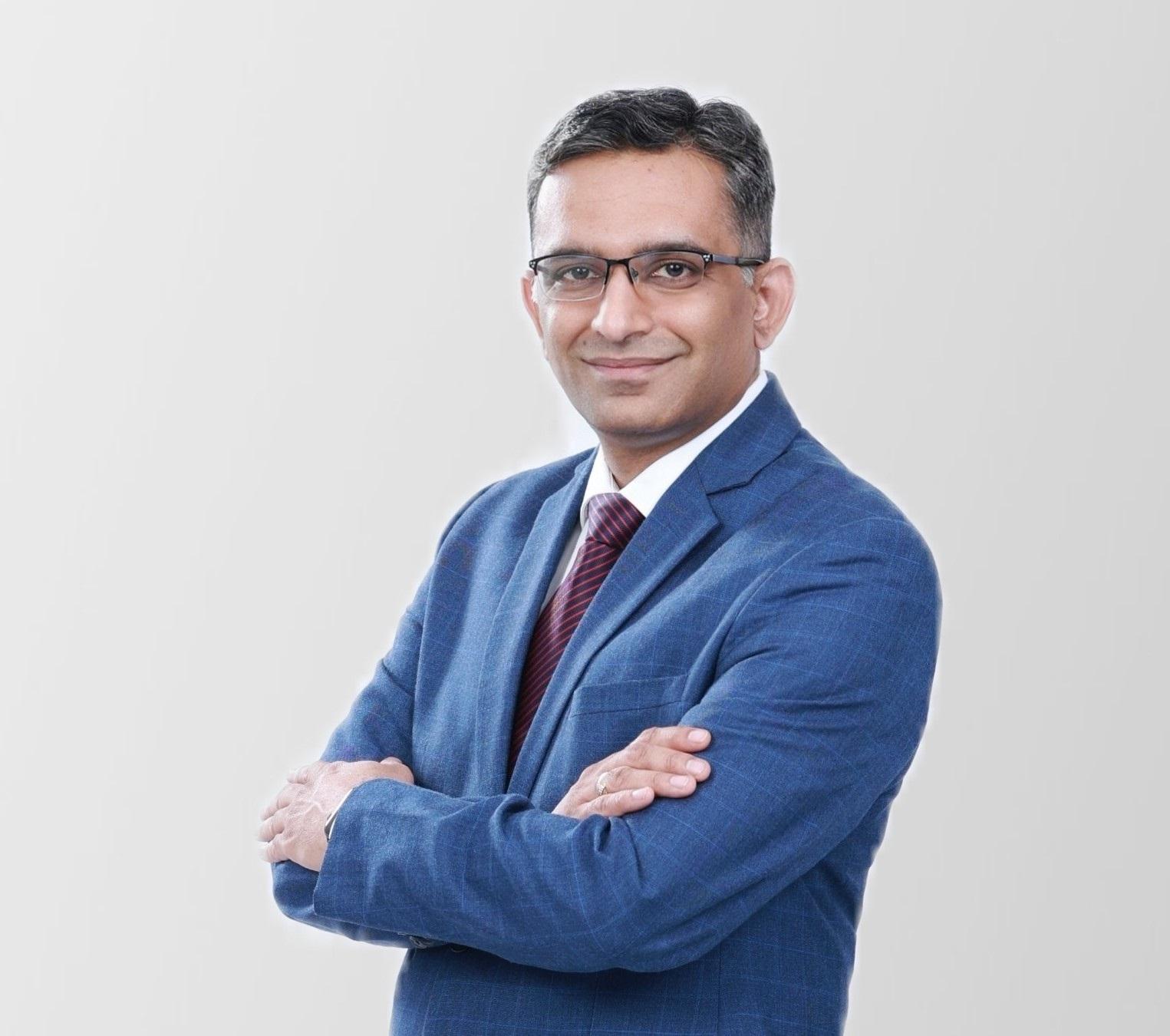
“Currently, most AI engagements are focused on delivering quick results, which is why fixed-price and managed service models are more prevalent than effort-based pricing. Over time, this is expected to gradually shift towards outcome-based models. However, this change is not significant yet and will last in the long term,” he told Business Standard.
Although slow, AI revenues are finally starting to make an impact as enterprise customers move from pilot to execution.
Recently, there has been discussion about how to price AI deals, especially as humans and agents begin to work together.
TCS announced in the fourth quarter of FY26 that its annual AI revenue in Q4 was $2.3 billion. That’s up from $1.8 billion in the third quarter.
Seksaria said that as the industry, and the company in particular, sees more AI deals, a change in pricing will be imminent.
“Overall, the industry – over the last few years – has evolved from staff increment or time and material (T&M) pricing-based to managed services, fixed price and outcome based. Gradually, as things move from merely effort-based to more outcomes, the pricing structure will also have to evolve and this will be gradual,” he said.
TCS announced its fourth quarter results on April 9 and reported margins of 25.3 per cent, a 10 basis point (bps) expansion. For the full year, the company’s margins expanded 70 bps to 25 per cent, the highest in four years.
Asked whether TCS’s aspirational band of 26-28 per cent margins is achievable in the current environment, Seksaria said: “Our priority will be to make the right investments to support growth. In the longer term, we believe the 26-28 per cent margin range is achievable for TCS. At the same time, we will aim to move closer to the lower end of that band in the near term while continuing to invest for growth.”
Add to this the company’s recent focus on mergers and acquisitions (M&A). Recently, TCS announced the acquisition of Coastal Cloud for $700 million, one of its biggest inorganic bets.
TCS chief executive officer (CEO) and managing director (MD) K Krithivasan had indicated that the company is looking at more strategic M&As in the future.
The fourth quarter was also one of the quarters with huge fluctuations in the rupee. TCS saw a gain of 110 bps against the currency. But the company has chosen to reinvest it in the business.
Despite the volatile currency, Seksaria said the company will continue its hedging policy. That is, hedging for two quarters – covering both revenues and receivables.
“Moving forward two quarters gives us time to understand any new normal or volatility over a six-month period. Within the quarter, we can take strategic decisions based on movements in the underlying position. However, we do not place further bets on currency movements. That stability remains, and we do not see it changing,” he said.