Becomes the new CEO of Porsche Saint
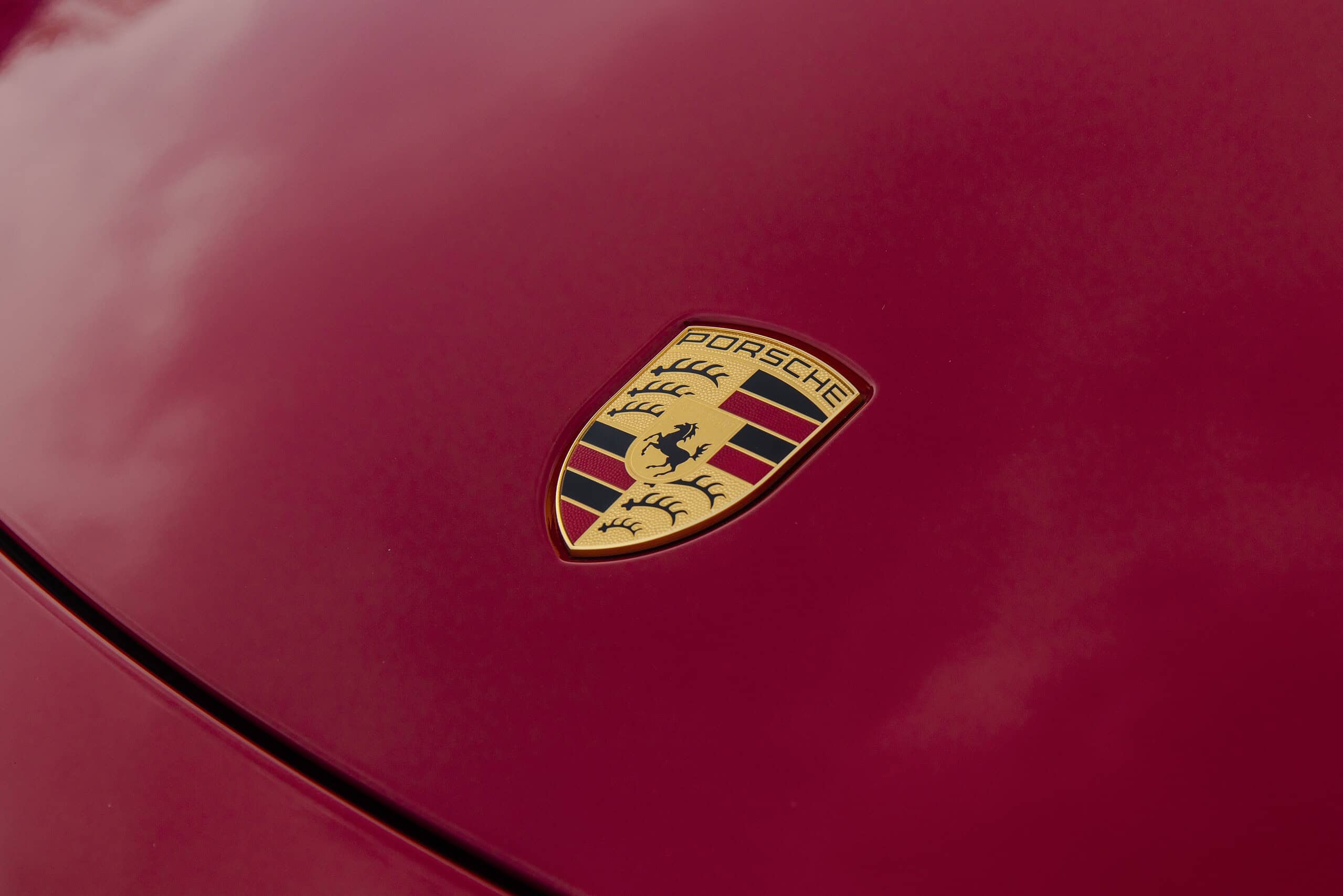
Amid a historic crisis in Germany’s auto industry, Porsche has a new chief executive.
Michael Leiters took charge of the luxury carmaker on January 1, ending Oliver Blume’s controversial dual leadership as head of Porsche and parent Volkswagen Group, which Blume will continue to run.
The appointment comes as the Stuttgart-based manufacturer faces a 10% decline in deliveries for 2025, its worst performance since the 2009 financial crisis. Pressured by supply shortages and weak demand for popular combustion models, Porsche delivered only 279,449 vehicles last year.
Once the crown jewel of European manufacturing, the sports car maker has seen shrinking margins and a declining share price, culminating in Porsche’s removal from Germany’s blue-chip DAX index last September.
The sales decline was sharpest in China, where deliveries fell 26% as domestic rivals lured affluent buyers with advanced software, competitive pricing and faster model cycles.
The German automotive sector is facing challenges of unprecedented proportions. Its companies plan to eliminate more than 55,000 positions, with Volkswagen cutting up to 35,000 and Mercedes-Benz up to 16,600. Rising energy costs, technology lag and three consecutive years of economic contraction have reduced competitiveness.
For Volkswagen, Porsche’s stumble holds special significance.
An overly ambitious pivot toward an all-electric lineup disrupted production and forced a costly €1.8 billion (about $2.2 billion) retreat toward combustion-powered models as demand for EVs declined. Supply shortages for gas-powered models increased due to the EU’s new stringent cybersecurity regulations, leading to low stock in showrooms. And the US tariffs are expected to cause losses to the automaker of around €700 million, threatening the profitability of the company that has become Porsche’s biggest market, surpassing China.
Leiters worked at Porsche for more than a decade before moving to Ferrari, where he was CTO, and then led McLaren Automotive through a three-year transformation before merging with EV-startup FordSeven.
The brand’s unique cars remain instantly recognizable. But the competitive landscape to which Leiters has returned has fundamentally changed.