

Liquid Calories: How to Juice, S
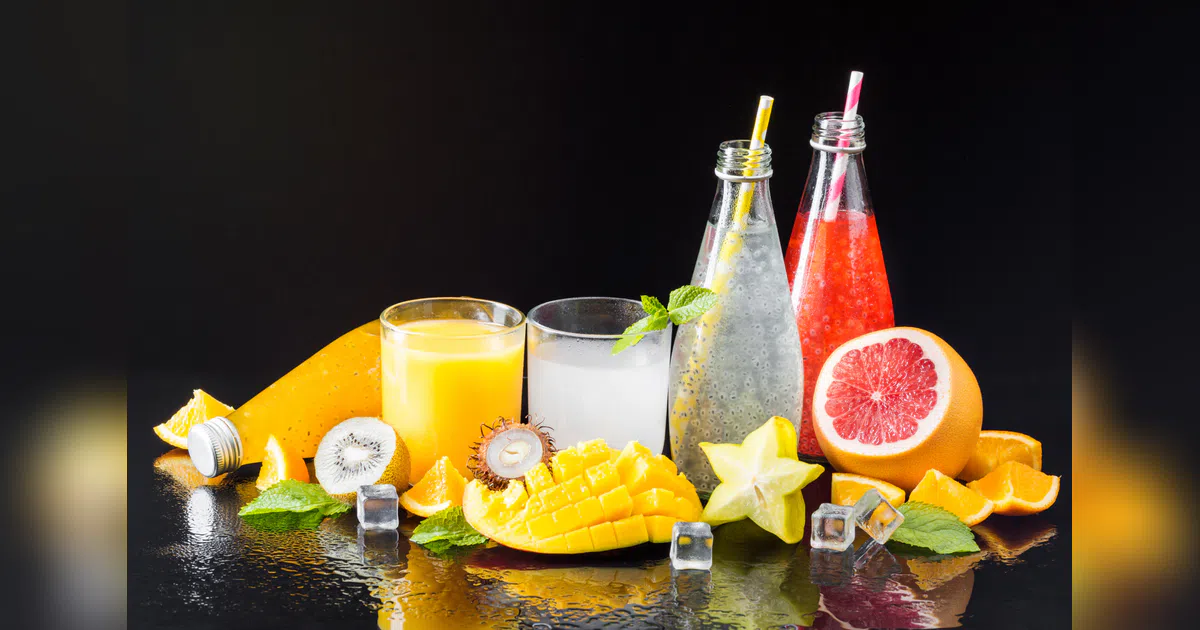
You may be watching what you eat, counting calories, and choosing healthy foods, yet the scale refuses to budge. Doctors say the missing piece could be what you drink. From fruit juices and smoothies to protein shakes and sugary beverages, liquid calories often fly under the radar, and quietly add up, affecting metabolism, weight, and long-term health.
Unlike a plate of food, beverages rarely taste delicious, and because most are marketed as healthy or convenient, many people assume they are harmless. However, experts warn that these ‘liquid calories’ can disrupt the body’s natural balance in ways that are easy to ignore.
Why do liquid calories behave differently?
“Liquid calories are metabolized differently than solid foods because they empty faster from the stomach and trigger weaker satiety signals,” explains Dr. G Krishna Mohan Reddy, senior consultant physician and diabetologist, Yashoda Hospital, Hyderabad. “As a result, people often consume more total calories without feeling full.”
This difference is important. Solid foods require chewing and take longer to digest, which allows the body to register satiety. Liquids, on the other hand, are consumed faster and absorbed faster.
Divya Jain, senior dietitian, CK Birla Hospital, Jaipur, says liquid calories “bypass a lot of the body’s natural regulation mechanisms”, meaning they don’t curb hunger effectively. As a result, even if your calorie intake appears controlled, your metabolism may not respond in alignment.
invisible calorie problem
Many people simply don’t count what they drink. This is not just a mistake, but a psychological gap.
“Drinks are not psychologically perceived as ‘food,'” says Dr. Reddy. He said fluids produce weak satiety signals, so the brain fails to register them as significant energy sources. This makes calories from juices, sugary drinks and even café beverages virtually invisible.
Jain echoes the same sentiment and says that while beverages, especially those purported to be healthy, are often considered safe because they don’t make you feel full, people end up consuming more throughout the day than they realize.
Juices and smoothies are often marketed as nutritious, but the reality depends on how they are consumed.
- Drinking juice removes most of the fiber which slows down the absorption of sugar.
- Smoothies retain fiber but if the quantity is large then it may also contain more calories.
- Added sugar or syrup increases the overall calorie load
- Repeated consumption may cause spikes and drops in blood sugar
A study published last year in the journal progress in nutrition found that drinking fruit juice, even 100 percent pure juice, was associated with a 5 percent higher risk of type 2 diabetes For each 8-ounce (230 ml) dose consumed daily.
“Whole fruits are a better choice, as their intact fiber supports satiety, stable glucose control and healthy weight management,” says Dr. Reddy.
Jain says natural drinks also, when consumed in excess, can contribute to weight gain because without fiber the sugar is absorbed more quickly.
hunger, satiety and overeating
One of the biggest concerns with liquid calories is how they affect hunger signals.
- They do not effectively activate hormones that control appetite.
- Appetite returns sooner than solid food
- People often consume them with food, not instead of it.
- This increases the total calorie intake throughout the day.
“People are less likely to compensate by eating less later,” explains Dr. Reddy. Over time, this pattern can lead to gradual weight gain, even if the diet itself seems balanced.
Jain explains that this combination, where hunger is maintained and calorie intake is increased, creates the perfect conditions for weight gain if sustained over time.
long term health risks
Regular consumption of high-calorie beverages does more than just add inches to the waist. This can have serious consequences, such as –
- risk of increasing obesity
- greater chance of insulin resistance
- More likely to develop type 2 diabetes
- Fatty liver disease is caused by accumulation of fat in the liver.
“Continued consumption causes frequent blood sugar and insulin spikes, which can lead to insulin resistance and type 2 diabetes,” says Dr. Reddy. He says excess sugar eventually converts to liver fat, increasing the risk of non-alcoholic fatty liver disease.
Jain says persistently elevated insulin levels can disrupt the overall metabolic balance, making it harder for the body to regulate weight and energy.
What can you do instead
Reducing hidden liquid calories doesn’t require major changes, but it does require awareness.
- Replace sweetened beverages with water or naturally occurring water
- Choose unsweetened tea or coffee instead of sweetened options
- Limit portion sizes of juices and café beverages
- Prefer whole fruits instead of fruit juices
- Prepare smoothies at home with balanced ingredients
- Read nutrition labels and monitor beverage intake
“Even minor changes in our beverage choices can help us maintain a healthy weight and increase our metabolism over the years,” says Jain.
Dr. Reddy also emphasizes that simple changes, such as reducing added sugars and choosing whole foods, can significantly reduce excess calorie intake without compromising nutrition.
Recognizing what you drink as part of your daily diet is the first step. Once you do, small, consistent changes can make a meaningful difference in your weight, metabolism, and long-term health.
This report is for informational purposes only and is not a substitute for professional medical advice.

a3x2q4