Sustainable Finance Awards 202

Skip to the content
Home  award award winner
Banks in Africa – including Absa, RMB, Nedbank, KCB and Standard Bank – are running significant SDG-focused projects.
Even though Africa is home to some of the world’s fastest growing economies, the continent faces a funding shortfall as the 2030 target to meet the Sustainable Development Goals (SDGs) adopted by the United Nations and in line with the African Union’s Agenda 2063 draws near.
The SDGs aim to improve the quality of life of the African population by addressing issues such as hunger, education, clean water and sanitation, affordable and clean energy, inequality and infrastructure.
However, the volume of sustainable bonds issued is less than 1% of the global total, which is insufficient to meet Africa’s infrastructure and development needs. According to the United Nations Economic Commission and the African Development Bank, to meet these needs, Africa will need to close the financing gap of between $670 billion and $762 billion per year by 2030, with most of the gap concentrated in the continent’s least developed countries.
This equates to a funding need of approximately $1.3 trillion per year for Africa to fully achieve the SDGs. Despite these challenges, significant progress has been made in Africa as a direct result of the efforts of African banks. Most importantly, this work has facilitated dramatic improvements in health outcomes over the past decade that far exceed progress elsewhere in the world.
Kenya Commercial Bank
Best Banks for Sustainable Communities
Sustainability for inclusive growth and economic resilience is the foundation of Kenya Commercial Bank, and the Bank’s success directly impacts the health of the communities in which it operates. Through KCB Foundation,
The Bank invests in education, climate adaptation and inclusion. The Foundation’s 2Jiyajiri program has created approximately 61,000 jobs and supported approximately 37,000 businesses through vocational training and financial access. Collaboration with MasterCard Foundation expanded access to finance and training for entrepreneurs.
KCB also prioritizes community investment projects for water security, education, sustainable agriculture and inclusion of vulnerable groups. These projects include five community boreholes in Marsabit, Kenya, which provide water to approximately 27,000 households and 95,000 livestock animals; scholarships that end poverty for families; financing and equipment for approximately 3,400 pastoralists and 15 producer groups; and a cash-transfer program for 22,000 refugees.
Absa
Best Bank for Sustainable Finance
Best Impact Investing Solutions
Best Bank for Sustainable Infrastructure/Project Finance
Best Banks for Green Bonds
Absa is committed to building a sustainable future in Africa by funding projects that drive positive change, support the continent’s transition to clean energy and nurture equitable, resilient and future-focused communities. The Bank is working to achieve net-zero emissions by 2050. To work towards this goal, Absa has facilitated and arranged more than 29.1 billion South African rand ($1.8 billion) in sustainable-finance transactions by 2025.
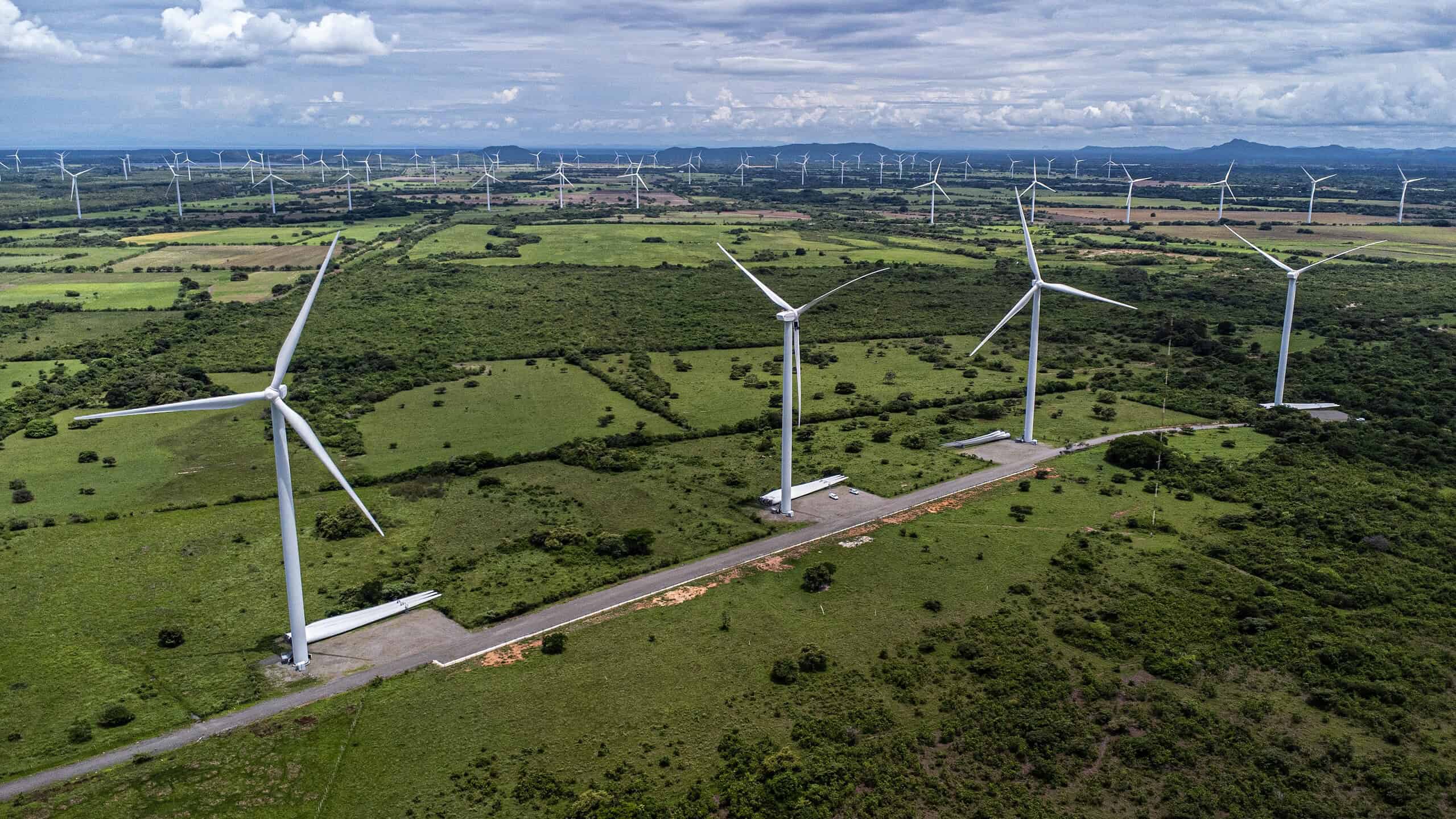
The bank contributed 1.6 billion rand as part of a larger debt-financing package of 3.8 billion rand to support power producer Red Rocket’s 150-megawatt (MW) wind project. The project will supply 100% renewable energy to Discovery Green, which will in turn provide it to medium and large-sized companies. The package will finance the full life cycle of the project, from design to construction and operation and maintenance.
Absa contributed 50% of the 9.4 billion rand loan package for the Red Sands Battery Energy Storage System (BESS) through project-finance loans, hedging, guarantees and agency and account bank services. Once operational, this landmark transaction under South Africa’s Battery Energy Storage Independent Power Producer Procurement Program will be the largest standalone BESS in Africa. To reduce operational risk, the revenue model is based on availability and not on energy dispatched. The project provides environmental and grid benefits through load shifting – energy is stored during the day and dispatched during peak periods – to create greater grid stability and capacity for additional renewable-energy projects.
Rand Merchant Bank
Sustainable Finance Deal of the Year (British International Investment Transition Finance Facility)
Best Bank for Social Bonds
Best Banks for Transition/Stabilization Loans
The Rand Merchant Bank (RMB) is actively addressing climate resilience and a just transition to a low-carbon world. To accomplish this, the Bank incorporates climate factors into its capital allocation, risk appetite, portfolio monitoring and reporting.
In 2025, the bank completed several landmark transactions, such as FirstRand Bank’s first social-bond issuance for women-owned businesses, totaling 2.5 billion rand. The bond directly addresses barriers to financial inclusion, economic participation and job creation for women by providing capital to women entrepreneurs.
RMB also arranged the refinancing of Mediclinic’s 9 billion rand sustainability-linked loan between four lenders, one of the largest syndicated sustainable-finance transactions currently in South Africa. Mediclinic operates private hospitals that provide multidisciplinary acute care in South Africa and Namibia.
The Bank has also developed a new transition-finance asset class and related framework to allocate funds to projects that facilitate emissions reductions. RMB acted as FirstRand’s transition-finance advisor in a 2.6 billion rand facility from British International Investment, a UK development finance institution and impact investor. The facility mobilizes international capital towards Africa’s climate goals by funding transition loans to South Africa and the wider continent to support the decarbonisation of hard-hit sectors such as industry, energy and cement. The facility also outlines how private and development finance can work together to advance the energy transition in emerging markets.
nedbank
Best platform/technology to facilitate sustainable finance
Best Bank for Sustainability Transparency
Nedbank is working towards repositioning its entire lending and investment portfolio to support a net-zero carbon economy by 2050. The Bank’s strategy supports customers and communities, while focusing on scalable sustainable-development finance that drives economic decarbonization and inclusive growth.
The Bank incorporates transparency into its energy policy so that stakeholders can better understand and monitor its progress. Nedbank tracks and reports the environmental impact of thermal coal, oil, gas and power generation to include its risks. With Nedbank’s Energy Policy and Nature-Statement Statement, the Bank sets out a glide path with a framework for its net-zero transition. Position statements on climate change and nature address related risks and opportunities and provide thought leadership on sustainability issues and financing.
Nedbank also leverages technology and analytical tools that provide integral insights into its sustainable financing. The Bank’s Climate Risk Tool analyzes how different climate events affect the assets financed. The Bank captures data native to its existing systems and uses these in combination with existing data to estimate and report financed emissions aligned with accounting practices.
Nedbank’s Building Efficiency Scale captures water and energy efficiency in buildings, and the inhouse EDGE certification tool democratizes green-building certifications to address the low number of green-certified buildings in South Africa.
Standard Bank
Best Banks for Sustainability Bonds
Best Banks for ESG-Related Loans
Standard Bank has made sustainability a strategic priority and uses an approach that maximizes positive impact while successfully managing risk. The Bank focuses on business growth and job creation, infrastructure development, climate mitigation and adaptation, and financial health and inclusion.
The Bank acted as sole arranger and sustainability coordinator for the Industrial Development Corporation’s inaugural 2 billion rand sustainable bond and 1.4 billion rand private placement. These bonds were listed on the Johannesburg Stock Exchange sustainability segment and are helping South Africa transition to a more inclusive, low-carbon economy. The bonds will finance projects in renewable energy; energy efficiency; Sustainable Water Management; clean transportation; Socio-economic advancement; and MSME financing. They will also support initiatives for grid decarbonization and the development of independent power producers.
Standard Bank also provided a 6.1 billion rand loan package to NOA Group for the design, construction, commissioning and operation of the 505 MW Khauta solar photovoltaic (PV) facility in South Africa. This landmark project involves building a BESS and connecting existing substations to the province’s robust grid through overhead lines. Apart from reducing carbon emissions, this green project will create employment during construction and operation.