Ride-hailing platform Bharat T
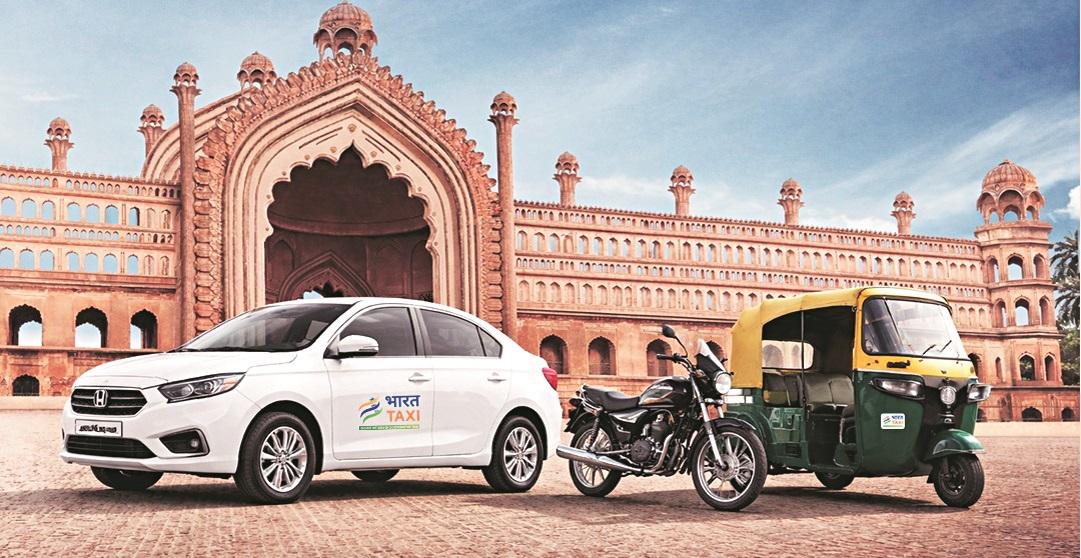
“As and when things work out, we will expand our presence. We are expanding to Lucknow and Chandigarh by the end of this month,” Rohit Gupta, vice-president, Sahakar Taxi Cooperative Limited (STCL), told Business Standard exclusively. While STCL is the name of the organization, Bharat Taxi is its consumer-facing platform or brand.
After entering Lucknow and Chandigarh, the company is also likely to expand to nearby areas including Panchkula and Mohali, while also eyeing expansion in cities like Kanpur within Uttar Pradesh.
Bharat Taxi is currently operational in Delhi, Gurugram, Noida, Faridabad and Ghaziabad in NCR and Ahmedabad, Rajkot, Somnath and Dwarka districts of Gujarat.
Recently, in a written reply in the Lok Sabha, Union Home and Cooperation Minister Amit Shah said, “Bharat Taxi aims to expand its service to Tier-II and Tier-III cities across the country in a phased manner over the next three years, providing services up to the tehsil level across the country.”
In terms of competition, across all categories, Rapido recorded more than three crore rides in NCR last month. For both Rapido and Uber, NCR is among the top five cities that see the highest ride volume every month.
Currently, Bharat Taxi has around 2.6 lakh registered drivers (Sarathis, as it calls them), completing around 30,000 rides per day in NCR and Gujarat, indicating early momentum in its key markets. As of March 1, there were 21.34 lakh registered users on the platform.
Instead of charging commission per ride, the platform has recently adopted a subscription-based model for drivers. The daily membership fee varies across vehicle categories like bike, auto and cab. As a result, the platform’s primary revenue driver is set to come from subscriptions. The company is also leveraging its collaboration with Delhi Police to build trust and standardize driver training.
The cooperative-led platform, which has established itself as a low-cost option in the country’s crowded ride-hailing market, was launched in February this year following a successful pilot testing phase that began in December 2025. Registered under the Multi-State Cooperative Societies Act, 2002, STCL follows a model where drivers can become owners of the co-operative society, have representation on the management board and participate in profit-sharing.
As competition heats up in the ride-hailing space, India Taxi is betting on affordability and widespread driver participation. To this end, the platform, which initially had comparatively higher prices than its competitors, has reduced its rates to gain more customers. “We have tried to reduce the prices so that we can attract more customers,” Gupta said.
- There is a possibility of expansion to Panchkula and Mohali, while further development in UP is also being eyed
- Currently there are around 260,000 registered drivers, with around 30,000 rides completed daily in Delhi NCR, Gujarat.
- has recently adopted a subscription-based model for drivers
- Also leveraging its collaboration with Delhi Police to build trust and standardize driver training