

Bangladesh: Not a Safe Haven for Hindu Minorities?
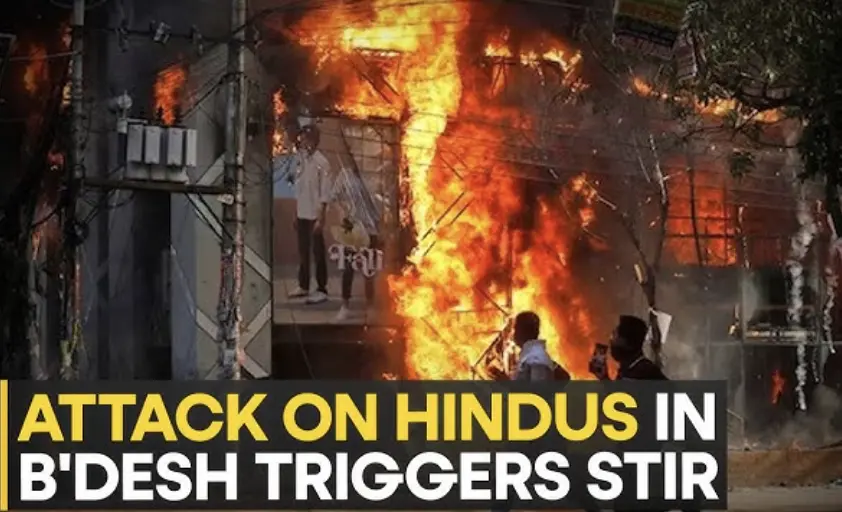
Bangladesh, with its 90% Muslim majority, has long projected an image of religious harmony rooted in Bengali syncretism. However, for its Hindu minority—now reduced to about 8% of the population (down from 22% at Partition)—life has become increasingly precarious. Reports of violence, land grabs, forced conversions, and systemic discrimination paint a grim picture, challenging the narrative of tolerance. This article examines why Bangladesh is increasingly viewed as hostile for Hindus, drawing on patterns of persecution, political complicity, and demographic shifts.
Demographic Decline: A Shrinking Presence
Hindus constituted 28% of East Bengal’s population in 1941. By 1951, Partition exodus reduced it to 22%; today, it’s ~8% (13-15 million). This 70% drop isn’t natural—it’s driven by targeted violence and economic marginalization. The Bangladesh Hindu Buddhist Christian Unity Council (BHBCUC) documented over 6,474 incidents in 2017 alone, including murders, rapes, and temple vandalism. Between 2013-2021, 3,679 attacks occurred, with 1,678 targeting temples.
Post-August 2024 Sheikh Hasina ouster, violence surged: 2,184 incidents (Aug-Dec 2024), including 45 murders, 479 assaults, and 102 arsons. By mid-2025, another 1,000+ cases emerged, a 125% rise from 2024. Temples top the list (33% attacks), followed by land grabs (Vested Property Act enabling seizures of “enemy property”).
Patterns of Violence: Beyond Isolated Incidents
Attacks follow triggers:
- Political Turmoil: BNP/Jamaat-e-Islami mobs target Hindus (perceived Awami League supporters) during elections/protests.
- Blasphemy Rumors: False Quran desecration claims spark riots (e.g., 2021: 50+ temples vandalized).
- Land Disputes: 70% violence ties to property grabs; affluent Hindus (60% rural shops) are envied amid poverty.
Women face rape (18,000+ cases 1971-2009 riots) and forced conversions. Impunity reigns—<5% convictions; police often complicit or absent.
Political and Legal Complicity
The Enemy Property Act (1965) legalized Hindu land seizures, affecting 2.5M acres. Retained post-1971, it’s wielded against “disloyal” families. Constitution’s Islam as state religion (1988) marginalizes minorities despite secular pledges.
Extremist groups like Hefazat-e-Islam demand anti-blasphemy laws; neo-JMB kills bloggers. Madrassas (2M students) propagate Wahhabism, eroding Sufi traditions.
Hasina’s era offered relative protection; Yunus interim govt (2025) struggles amid BNP influence.
Socio-Economic Pressures Fueling Hostility
- Poverty Envy: Hindus overrepresented in business amid 25% rural poverty.
- Refugee Backlash: Rohingya influx strains resources, scapegoating locals.
- Global Islamism: Saudi funding radicalizes youth.
Hindus flee to India (2,500+ post-2024 riots), creating refugee crises.
International Silence and Diaspora Response
UNHRC notes state complicity; USCIRF ranks Bangladesh poorly. India raises issues diplomatically, but global media underreports vs. other persecutions.
Diaspora (10M Hindus in India) amplifies via social media, sometimes exaggerating but highlighting truths.
Counterpoints: Not Monolithic Cruelty
Moderate Muslims protect neighbors; interfaith councils exist. Syncretic festivals persist. Most violence is politically/economically motivated, not theological.
Yet, systemic bias—Hindu population decline, low convictions—undermines coexistence claims.
Path Forward: Reforms Needed
- Repeal Discriminatory Laws: End Vested Property Act.
- Judicial Independence: Fast-track minority cases.
- Economic Inclusion: Quotas, anti-eviction protections.
- Education Reform: Secularize curriculum.
- International Pressure: UN monitoring, aid conditions.
Conclusion
Bangladesh isn’t inherently “cruel,” but for Hindus, it’s increasingly unsafe. Violence, land theft, and impunity create existential threats, shrinking a once-thriving community. Political will, economic equity, and global advocacy can reverse this. Without change, Bangladesh risks losing its pluralistic soul, confirming Hindus’ fears: it’s no longer home.

Perfect lines