Gig Economy Payment Problems:
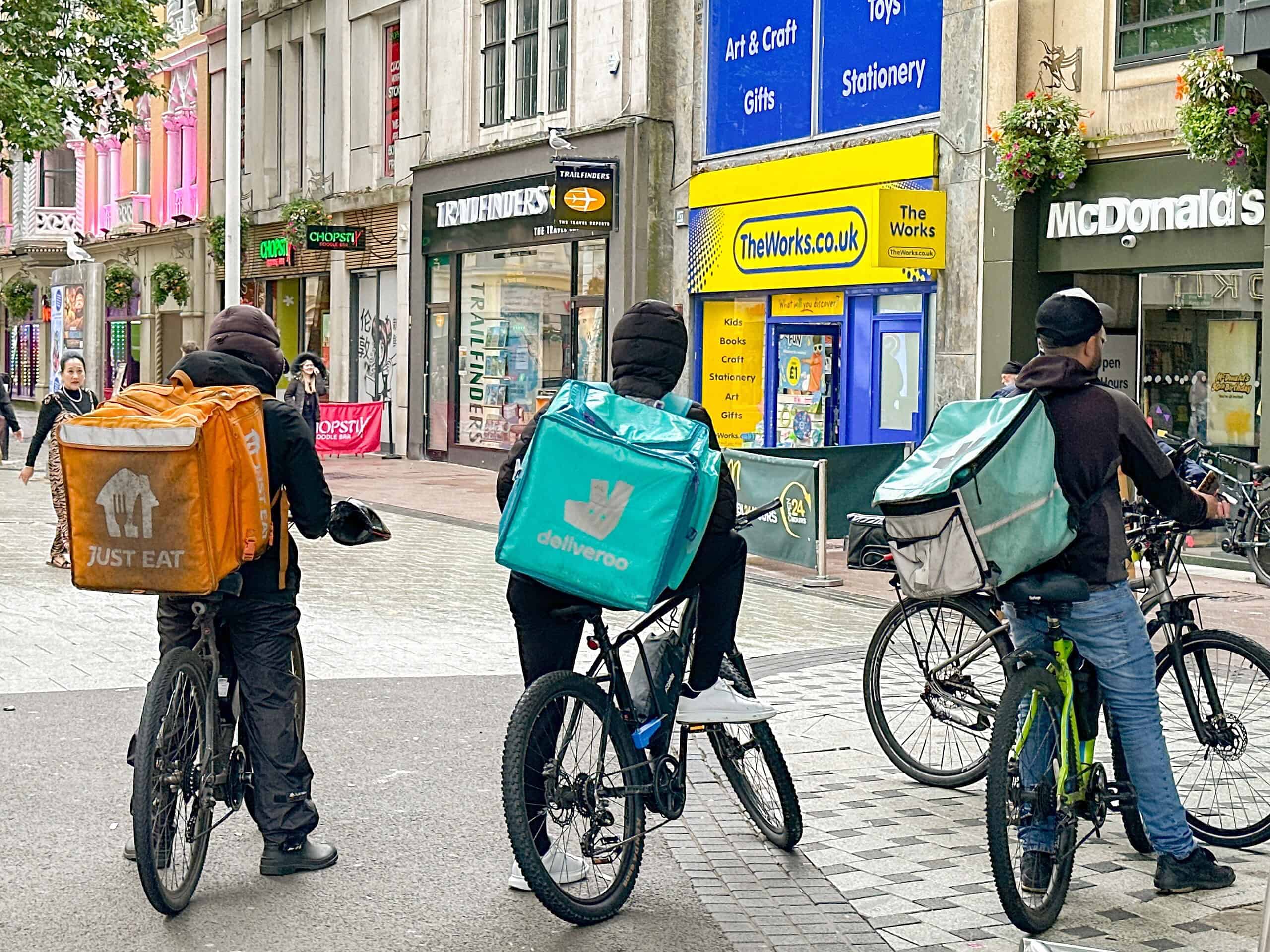
Gig platforms offer seamless checkout for buyers, but emerging markets are broken for paid workers.
In June 2026, member states from more than 180 countries gathered for International Labor Conference Setting international labor standards for digital platform workers. However, even with those standards set, payment remains a big issue.
Imagine a freelance developer in Lagos who successfully completes a project for a client on Upwork in London. While customer payments are secured immediately, the developer faces a mandatory security hold of five days on their funds, followed by conversion to Naira at unfavorable rates, and fees of up to $20 per withdrawal. erosion A large part of their earnings.
Gig economy booming in emerging markets

dLocal
The gig economy has taken off like a rocket around the world, making its 46% of the global workforce in 2025. Global estimates suggest it is set increase From $674 billion in 2026 to $2.52 trillion by 2035. And it is expanding aggressively in the Global South. As per recent compound annual growth rate (CAGR) NumberThe growth rate of emerging markets is about 21% in India, 17% in Egypt and 16% in Argentina and Brazil.
Platforms like Uber Inc. for drivers and Upwork for freelancers provide great opportunities for second or primary income. However, although these companies offer seamless purchasing options for their services, they have not largely adapted their payment structures for workers in emerging markets.
In addition to the lack of stability and control that can come with a side hustle, paying workers simply and on time remains a challenge for many gig economy platforms.
Funds get stuck between payer and payee as they navigate local currencies at compliance and speed in a fragmented banking and mobile money ecosystem. Despite all the sophistication of modern payments infrastructure, the last mile of the payments stack remains one of the most technically challenged issues in the industry.
fragmented payment system
Getting paid is more difficult than it looks. There are dozens of local currencies, many of which have volatile exchange rates and limited convertibility. To make payments in a timely, consistent manner, platforms must have local liquidity ready, which can be cumbersome if implemented globally. Compliance complexities, such as Know Your Consumer (KYC) and AML requirements, vary by region, while employee classification and tax withholding obligations vary.
Additionally, many employees rely on payments through mobile money such as M-Pesa in Africa, digital wallets and cash-out networks rather than bank accounts, which have low penetration in some areas.
There are no major payment rails, meaning M-Pesa, a platform operating in Kenya, Nigeria, Brazil and Colombia, is working together with bank transfers, PIX and PSE. Each comes with unique settlement times, failure rates and settlement requirements. These issues result in delays, unfavorable exchange rates and high cash-out fees which are all absorbed by the workers.
Apart from minor inconveniences, these issues can also mean not being able to eat or pay rent for those who lead everyday lives. As a result, employees move to the platform that pays the fastest, while the platform faces churn and puts its local reputation at risk. Marginal inefficiencies, such as failed transaction fees, can add up significantly for platforms like Rappi and Glovo, which process millions of transactions per week.
There is also regulatory pressure building. The ILC conference this month will set standards for digital platform workers, including employment classification, pay transparency and social protection.
Smooth payments with a single API
Platforms are exploring a number of solutions to workers’ payment issues in emerging markets.
The aggregator model with multiple partners is a model that helps, but also increases operational overheads with ongoing liquidity issues. Pre-funded local wallets require capital and have high management costs, making them a barrier to entry for small to medium businesses. Earned Pay Access ensures workers are paid on time; However, this does not address fees. Partnerships with local in-market banks provide faster settlements, with the platform owning compliance and currency conversion.
A single API may increase costs for the platform; However, they handle the complexities of local rails, currencies, payment methods, and compliance across multiple markets, making it easier for platforms to pay workers with minimal overhead.
There’s no denying that side jobs and flexible working are an attractive opportunity for many people, especially in emerging markets. However, for workers living paycheck-to-paycheck, delayed payments are a practical aspect that hinders stable living standards and erodes trust. Those looking to expand their billion-dollar businesses must ensure that the experience is seamless not only for the customer, but also for all parties involved.
***
Carlos Menendez, Chief Operating Officer of dLocal, is an experienced general manager with extensive global experience in building and growing businesses. Prior to dLocal, he spent 14 years at MasterCard, most recently as President of the Global Commercialization Office, and 14 years at Citi, where he held senior roles such as COO of Western Europe Retail Banking, Regional Director of EMEA Bankcards, and CFO of Citibank USA. He holds a BA in Economics from Harvard University, an MBA in Finance from the Wharton School, and an MA in International Studies from the Lauder Institute of the University of Pennsylvania.