Best BS Opinion: Middle Can
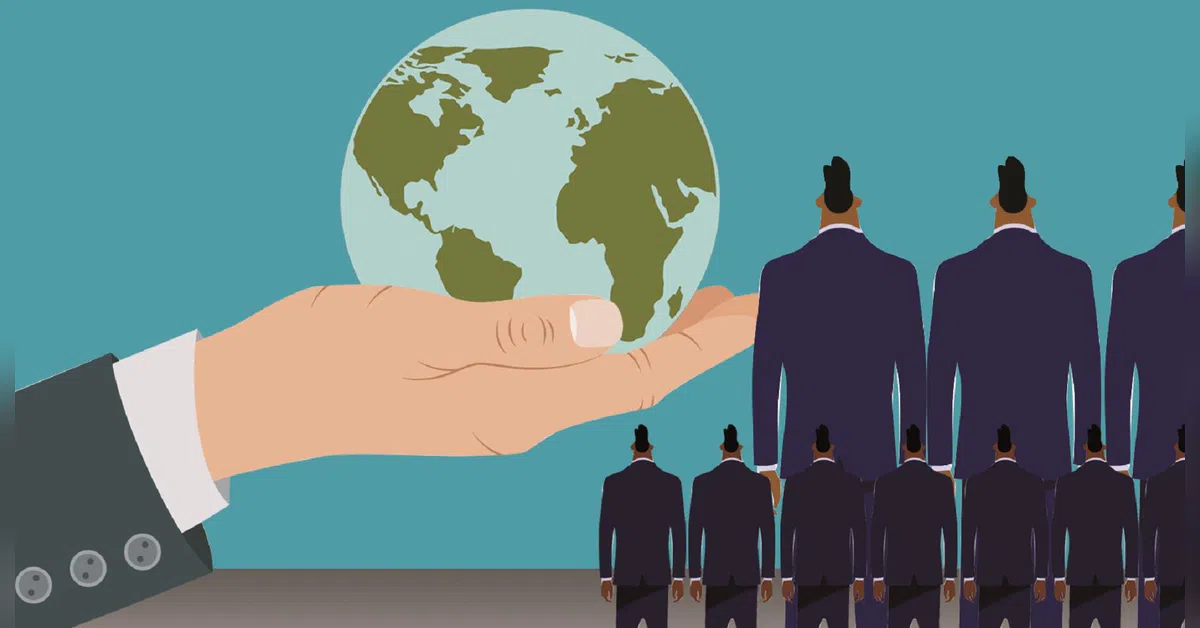
For decades after World War II, the world operated on a rules-based international order. That system is now slowly collapsing as nations move toward a more transactional trajectory, Shyam Saran writes. Transactionalism certainly has its advantages: leverage is direct, results are immediate and visible, concessions are conditional. Earlier multilateralism sought a shared sense of humanity and solidarity; Transactionalism considers them indispensable for fulfilling domestic interests. At a time when problems requiring a globally coordinated response are rising – climate, cybersecurity, AI risks – the world is moving in the opposite direction. One way to reverse the trend of transactionalism is to hope for a loose coalition of nations that can create an international movement that can lead some common action. A middle power with credibility like India could potentially form such an alliance on the lines of the erstwhile Non-Aligned Movement.
Turbulent business conditions are prompting some global companies to experiment with co-CEO structures, despite their rarity and inherent complexity. R Gopalakrishnan says. Dual leadership can provide balance, continuity and restraint against the risks of concentrated executive power and a collaborative structure can encourage better listening, deliberation and institutional stability. However, they can slow down decision-making and blur accountability. Gopalakrishnan suggests that successful dual leadership depends less on formal structure than on managerial maturity, prudence and clarity about where ultimate authority resides.
Devangshu Dutta warned That the West Asia conflict and the closure of the Strait of Hormuz could lead to a major political and economic crisis in India, as earlier oil shocks have shown. We may see a repeat of this this time, given that our dependence on energy imports has increased manifold, and the supply shortfall is far more severe. To make matters worse, damage to oil and gas infrastructure in West Asia could disrupt supplies for years. Shortages of cooking gas, fertilizers, petrochemicals and transportation fuels – all vital to the economy – could add to inflationary pressures and disrupt jobs. Emergency reserves and alternative imports provide only limited relief. To prevent fear from turning into panic, a rapid shift from electric cooking and home energy sources – coal and renewables – may be inevitable.
Pakistan’s military establishment has historically excelled in strategic planning, while repeatedly failing in strategic decision making, Shekhar Gupta writes. As proof, we need only study Kargil, Pulwama and the 1965 war, as well as the recent Pahalgam terrorist attack – Pakistan well anticipates Indian retaliation to achieve limited battlefield success, but consistently misjudges India’s broader political and military response. This pattern produces short-term propaganda victories, but ultimately deepens Pakistan’s strategic failures and international isolation. Gupta warned that Islamabad may now become emboldened by its own post-conflict narrative and renewed diplomatic attention, increasing the likelihood of further provocations and miscalculations.