Marco Rubio urges Europe to adopt AC
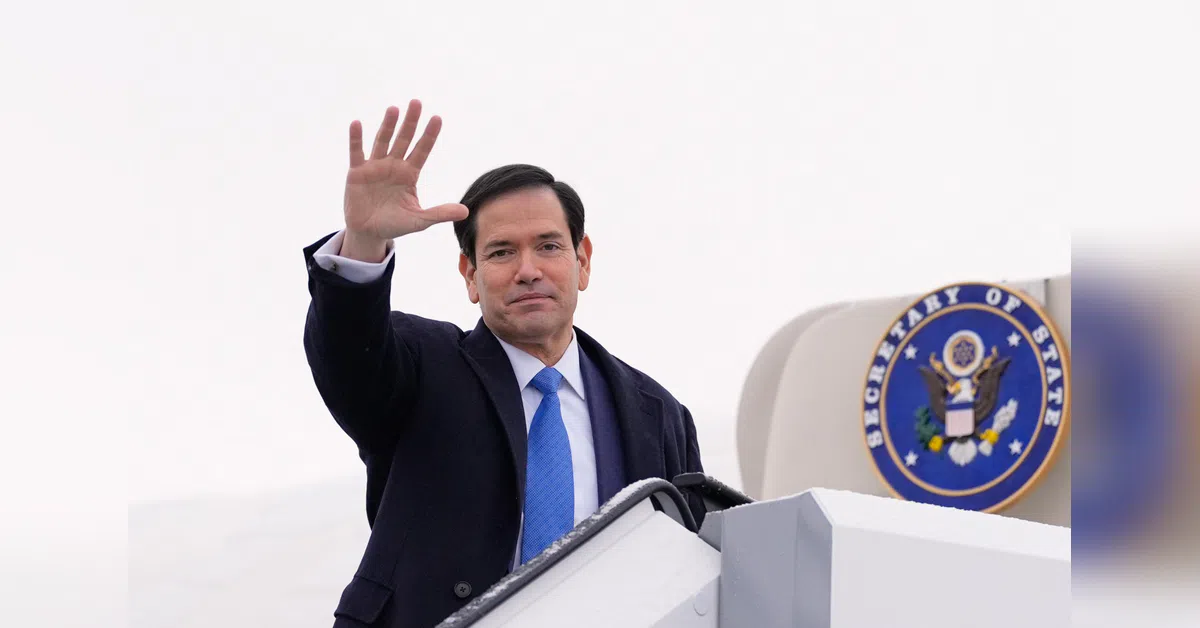
US Secretary of State Marco Rubio on Friday urged European allies to move beyond rhetoric and take concrete action against Iran, even as he sought to repair strained relations with Italy and the Vatican during a two-day visit following tensions over the US-Israeli war in Iran.
Speaking after meetings with Premier Giorgia Meloni and Foreign Minister Antonio Tajani, Rubio warned that Tehran was attempting to seize control of the strategic Strait of Hormuz, calling the move “unacceptable” and a threat to global security.
“Everybody says Iran is a threat. Everybody says Iran can’t have a nuclear weapon… but you have to do something about it,” Rubio told reporters in Rome. “If the answer is no… you better have something to support it other than just strongly worded statements.”
clear the ‘red line’
Rubio said Iran was trying to normalize control over an international waterway, warning that a precedent could encourage similar actions elsewhere. He cautioned Tehran against targeting US maritime assets, saying the United States had foiled an attack on three navy ships in the strait.
He said, “The red line is clear. They threaten Americans, they will be blown up.”
Rubio said Washington was pursuing a diplomatic path, including a proposed UN Security Council resolution aimed at preserving freedom of navigation. He said the US was awaiting Iran’s response on Friday to ongoing diplomatic efforts.
Rubio’s visit comes after weeks of sharp disagreements between Washington and Rome over the Iran war, tariffs and U.S. President Donald Trump’s criticism of both Meloni and Pope Leo XIV.
Differences persist on Iran war
After his conversation with Rubio, Tajani struck a cordial tone, reaffirming the importance of the trans-Atlantic alliance.
Tajani said, “I am convinced that Europe needs America – Italy needs America – and the United States also needs Europe and Italy.” He expressed hope that “tensions have calmed down.”
He said the discussion also covered the Iran conflict and its spread to Lebanon as well as Venezuela and Cuba. The US State Department said Rubio also raised the need to protect economic interests and end the war in Ukraine.
Despite efforts to ease tensions, differences remain over the Iran conflict. Italy has opposed the US-Israeli bombing campaign, with Meloni calling it “illegal” and opposing involvement in offensive operations.
Tajani said that Italy would be ready to contribute naval forces to destroy the Strait of Hormuz if a permanent ceasefire was reached and would maintain its role in the UN peacekeeping mission in Lebanon.
He also stressed the importance of the continued US military presence in Europe amid concerns of possible cutbacks.
No final decision on NATO military adjustment
Rubio said that “no final decision” has been made on NATO military adjustments, noting that any changes would depend on US national interests and global priorities.
The US has announced the withdrawal of 5,000 military personnel from Germany and Trump has threatened to withdraw more troops from Italy and Spain over their stance on the war.
Italy, a major logistics hub for US and allied operations in the Mediterranean and beyond, has already signaled the extent of its cooperation.
In March, it refused to allow US bombers bound for the Middle East to use a base in Sicily without parliamentary approval, reflecting constitutional constraints and strong domestic opposition to the war.
Meloni, weakened by a recent referendum defeat and facing public unease over the conflict, has insisted that any use of Italian bases for offensive operations would require parliamentary support.
The war has also raised economic concerns in Italy, with Meloni warning that disruption in the Strait of Hormuz threatens to drive up energy costs and inflation, while US tariff threats weigh on the country’s export-driven economy.
Efforts to reduce tension in Vatican
Rubio also sought to ease tensions with the Vatican following Trump’s criticism of the Pope’s call for peace.
After a lengthy meeting Thursday with the Pope and Vatican Secretary of State Cardinal Pietro Parolin, Rubio said Washington was committed to “productive and fruitful” relations with the Catholic Church.
Rubio said, “The President’s position is clear. He believes Iran is a threat and needs to be dealt with. And that position remains unchanged.”
Rubio confirmed that Cuba was also discussed at the Vatican, adding that Washington expects the church’s Caritas charity organization to continue distributing humanitarian aid.
Rubio said the US has provided approximately US$6 million in humanitarian aid to Cuba, which will be distributed through Caritas, if Cubans allow it.
He said Washington has also offered additional aid of up to US$100 million, but the Cuban government has not yet accepted it. Rubio blamed the Cuban government for withholding aid and worsening conditions, calling it “incompetent.”
US officials said the Vatican talks underlined strong bilateral ties and a shared commitment to promoting peace, even as differences remain over the Iran war.