

Ceasefire talks between America and Iran in Pakistan
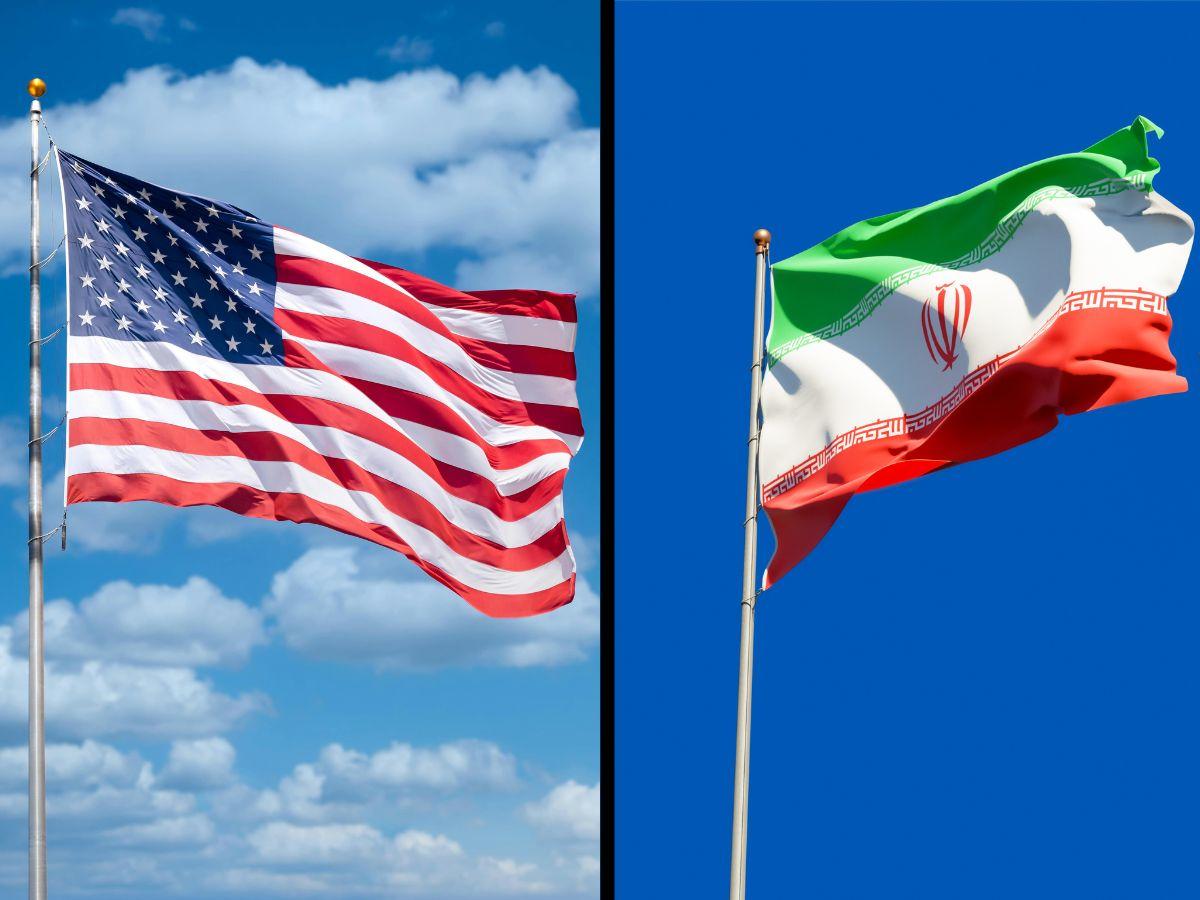
The United States and Iran held a third round of historic, face-to-face talks in Pakistan before dawn on Sunday, days after announcing a fragile, two-week ceasefire as the war that has killed thousands and roiled global markets entered its seventh week.
Two Pakistani officials said discussions between the heads of delegations would resume after a break.
Some technical staff from both teams are still meeting, said the officials, who spoke on condition of anonymity because they were not authorized to brief the press.
Meanwhile, the US military said two destroyers transited the Iranian-held Strait of Hormuz ahead of mine-clearing work, the first time that has happened since the war began. However, Iran’s state media said the Joint Military Command denied this.
He described the conversation as “very deep”. Iranian state TV described it as a “serious” disagreement.
Since the Islamic Revolution in Iran in 1979, the most direct US contact occurred in 2013 when President Barack Obama called newly elected President Hassan Rouhani to discuss Iran’s nuclear program.
Obama’s Secretary of State, John Kerry, and counterpart Mohammad Javad Zarif later met during negotiations toward the 2015 Iran nuclear deal, a process that lasted more than a year.
Now involved in broader talks are Vance, a reluctant defender of the war who has little diplomatic experience and has warned Iran not to “try to play with us,” and Ghalibaf, the former commander of Iran’s powerful Revolutionary Guard, who has issued some of Iran’s most fiery statements since the fighting began.
Iran sets red lines Iran’s state news agency said the three-party talks began after Iranian pre-conditions were met, including a reduction in Israeli attacks on southern Lebanon.
Iran’s delegation told state television that it had presented “red lines” in meetings with Pakistani Prime Minister Shehbaz Sharif, including compensation for damage caused by the US-Israeli strikes that started the war on February 28 and the release of Iran’s frozen assets.
The war has killed at least 3,000 people in Iran, 2,020 in Lebanon, 23 in Israel and more than a dozen in Gulf Arab states, and caused permanent damage to infrastructure in half a dozen West Asian countries.
Iran’s hold on the Strait of Hormuz has largely cut off the Persian Gulf and its oil and gas exports from the global economy, driving up energy prices.
Reflecting the high stakes, officials in the region said Chinese, Egyptian, Saudi and Qatari officials were in Islamabad to indirectly facilitate talks.
The officials discussed the sensitive matter on condition of anonymity.
In Tehran, residents told The Associated Press they are skeptical, yet hopeful, as weeks of air strikes have destroyed nearly 93 million people in their country.
“Peace alone is not enough for our country because we have been badly affected, it has paid a heavy price,” said Amir Razai Far, 62.
In his strongest words, Pope Leo XIV condemned the “illusion of omnipotence” that fueled the war.
US is sending troops to help clear mines in the strait Iran’s closure of the Strait of Hormuz has proved to be its biggest strategic advantage in the war. About a fifth of the world’s traded oil typically passed through more than 100 ships a day. Only 12 transits have been recorded since the ceasefire.
On Saturday, Trump said on social media that the US had begun “cleaning up” the strait.
Adm. Brad Cooper, commander of U.S. Central Command, later said, “Today, we began the process of establishing a new route and we will soon share this safe route with the maritime industry.”
The US statement about the destroyers said: “Additional US forces, including underwater drones, will join the evacuation effort in the coming days.” Iranian Foreign Minister Abbas Araghchi said that Tehran was entering the talks with “deep mistrust” after attacks on Iran during previous talks. Araghchi, part of Iran’s delegation to Pakistan, said on Saturday that his country was prepared to retaliate if attacked again.
Iran’s 10-point proposal ahead of the talks called for guarantees of an end to the war and control of the Strait of Hormuz. This included ending the fight against Iran’s “regional allies”, explicitly calling for a halt to Israeli attacks on Hezbollah.
The United States’ 15-point proposal includes restricting Iran’s nuclear program and reopening the strait.
ivofxo