Divine Lifestyle
Varanasi: The Sacred City of Lord Shiva – The Divine Abode of Kashi Vishwanath
Discover the spiritual glory, ancient traditions, sacred Ganga Ghats and divine blessings of Kashi, the city of liberation.
Table of Contents
Introduction: Welcome to the City of Mahadev
There are many holy places in India, but few hold a place in the hearts of devotees as special as Varanasi. Also known as Kashi and Banaras, this ancient city is situated on the banks of the holy River Ganga in Uttar Pradesh. For millions of Hindus, Varanasi is not simply a city; it is a sacred land where spirituality, devotion, ancient wisdom and the eternal presence of Lord Shiva come together.
Varanasi is especially famous for Shri Kashi Vishwanath Temple, one of the twelve revered Jyotirlingas of Lord Shiva. Devotees believe that Lord Shiva resides here as Vishwanath, meaning the Lord of the Universe.
According to Hindu religious tradition, Kashi is a place where the soul can move towards liberation, or Moksha. The city’s temples, sacred river, chanting of mantras and spiritual atmosphere make it one of the most significant pilgrimage destinations in Sanatan Dharma.
1. Kashi – The Eternal City of Lord Shiva
The name Kashi is traditionally associated with the Sanskrit root meaning to shine or illuminate. It is therefore often understood as the city of spiritual light.
According to Hindu beliefs and Puranic traditions, Kashi is the beloved abode of Lord Shiva. It is believed that Mahadev protects this sacred city and blesses devotees who come here with faith and devotion.
Kashi is also traditionally known as Avimukta, a name associated with the belief that Lord Shiva never abandons this sacred land.
The spiritual importance of Kashi is described in Hindu scriptures, particularly the Kashi Khanda of the Skanda Purana.
For devotees, visiting Kashi is an opportunity to remember Lord Shiva, seek His blessings and reflect on the deeper meaning of human existence.
2. Shri Kashi Vishwanath Temple – The Sacred Jyotirlinga
The most important spiritual attraction of Varanasi is Shri Kashi Vishwanath Temple.
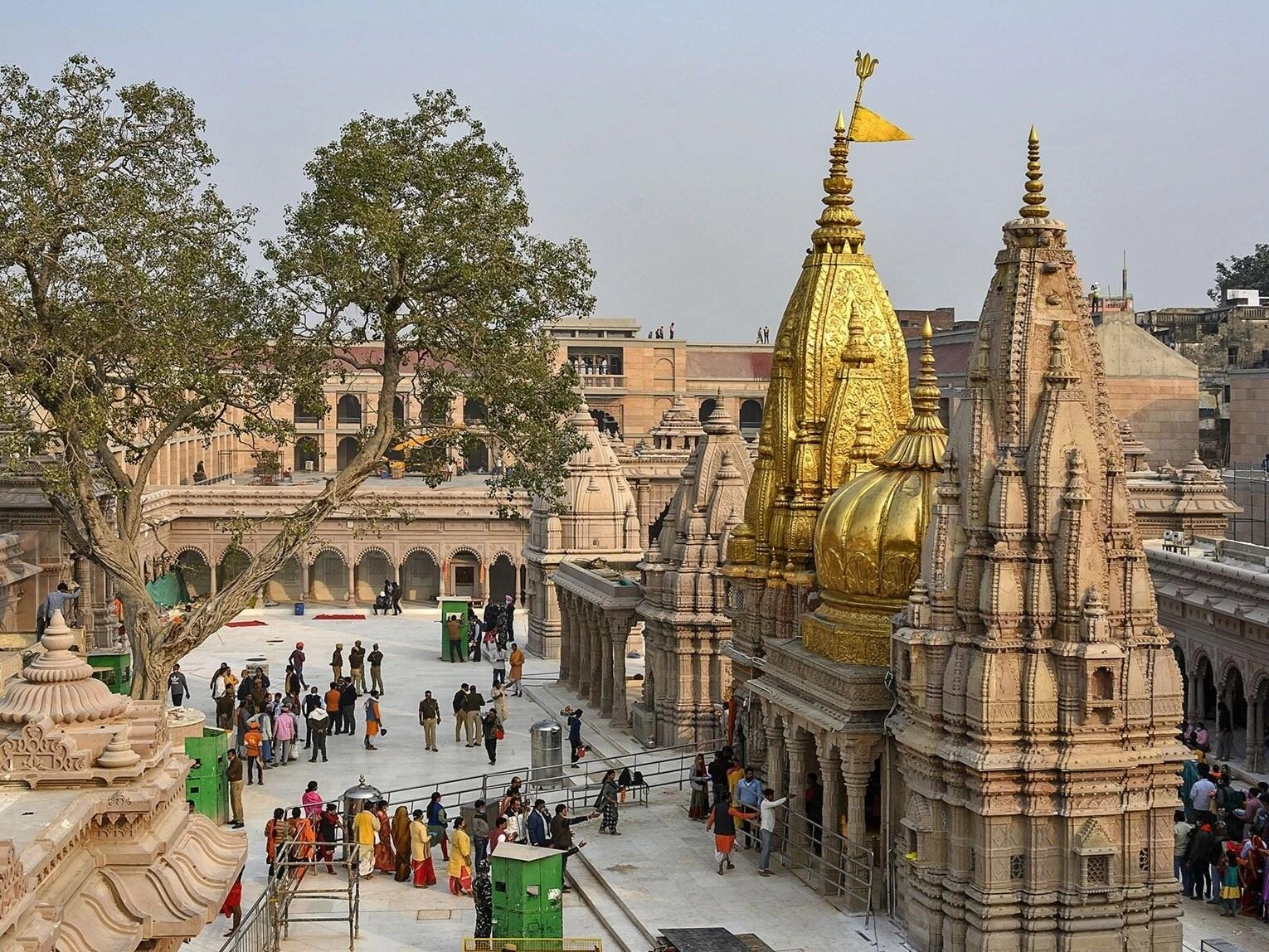
The Kashi Viswanath temple is dedicated to Lord Shiva in the form of Vishwanath, the Lord of the Universe. It is one of the twelve Jyotirlingas traditionally revered across India.
The Kashi Vishwanath Jyotirlinga represents the infinite and formless nature of Lord Shiva. Devotees visit the temple to offer Ganga water, milk, flowers, Bilva leaves and prayers to Mahadev.
The temple has experienced several historical changes and reconstructions over the centuries. The present temple structure is associated with the efforts of Maharani Ahilyabai Holkar, who reconstructed it in the eighteenth century.
The temple’s golden domes are among its most recognisable features.
For a Shiva devotee, having Darshan of Kashi Vishwanath is considered a deeply meaningful spiritual experience.
The atmosphere of the temple, the sound of bells, the chanting of “Har Har Mahadev” and the devotion of pilgrims create an unforgettable experience.
3. The Holy River Ganga – The Lifeline of Kashi
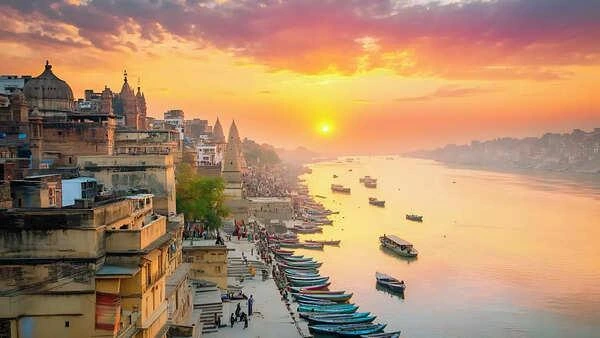
The River Ganga is central to the spiritual identity of Varanasi and is just near to Kashi Vishwanath Temple.
In Hindu tradition, Maa Ganga is worshipped as a sacred river and divine mother. Devotees believe that bathing in the holy Ganga with sincere faith helps purify the mind and is spiritually beneficial.
The river flows alongside the famous ghats of Varanasi, where people perform prayers, meditation, religious ceremonies and traditional rituals.
One of the most beautiful experiences in Kashi is witnessing the sunrise over the Ganga. As the first rays of the Sun illuminate the river, devotees offer prayers while priests perform traditional rituals.
The peaceful movement of boats, the sound of temple bells and the sight of people chanting mantras create a spiritual atmosphere that is difficult to describe in words.
4. Dashashwamedh Ghat and the Famous Ganga Aarti

Among the many ghats of Varanasi, Dashashwamedh Ghat is especially famous for its evening Ganga Aarti.
Every evening, priests perform a beautiful ritual with large brass lamps, incense, flowers and devotional music.
Thousands of devotees and visitors gather to witness this ceremony.
The sight of glowing lamps moving in rhythm, the sound of conch shells and bells, and the collective chanting of prayers create a memorable devotional experience.
The Ganga Aarti is not merely a religious ceremony. It represents gratitude towards nature and reverence for Maa Ganga.
Other important ghats include Assi Ghat, Manikarnika Ghat and Harishchandra Ghat, each associated with distinct religious and cultural traditions.
5. Manikarnika Ghat – A Reminder of Life and Death
Manikarnika Ghat is one of the most significant cremation grounds in Varanasi.
In Hindu tradition, death is not considered the absolute end of existence. It is understood in relation to the cycle of birth, death and rebirth.
Manikarnika Ghat reminds visitors of the temporary nature of the physical body and the importance of spiritual understanding.
According to traditional Hindu belief, dying in Kashi and receiving the grace of Lord Shiva is associated with liberation from the cycle of rebirth.
The ghat therefore holds deep religious significance, although visitors should approach the place with respect for families performing their last rites.
Its message is profound: worldly possessions, status and physical beauty are temporary, while spiritual wisdom and good actions have lasting importance.
6. The Connection Between Kashi and Moksha
One of the most distinctive beliefs associated with Varanasi is its connection with Moksha.
Moksha means liberation from the cycle of birth and death, according to Hindu spiritual philosophy.
Many devotees believe that Kashi is a sacred place where Lord Shiva blesses souls and guides them towards liberation.
Traditional beliefs also associate Lord Shiva with the sacred Taraka Mantra, which is believed to guide the soul towards spiritual freedom.
The deeper lesson of this belief is that human life should not be wasted only in the pursuit of wealth, power and temporary pleasures.
It encourages us to practise devotion, compassion, truth and detachment while remembering the eternal nature of the Divine.
7. Important Temples and Religious Places in Varanasi
Apart from Kashi Vishwanath Temple, Varanasi is home to several important religious places.
Annapurna Devi Temple: Dedicated to Goddess Annapurna, the divine mother associated with nourishment and food.
Sankat Mochan Hanuman Temple: A famous temple dedicated to Lord Hanuman, visited by devotees seeking strength and protection.
Durga Kund Temple: A prominent temple dedicated to Goddess Durga.
Kal Bhairav Temple: Dedicated to Kal Bhairav, traditionally regarded as the guardian deity of Kashi.
Tulsi Manas Temple: Associated with Goswami Tulsidas and the composition of the Ramcharitmanas.
These sacred places reflect the diversity of Hindu devotion and the deep spiritual heritage of the city.
8. Varanasi – A Centre of Knowledge and Culture
Kashi is not only a city of temples but also an ancient centre of learning.
For centuries, scholars, philosophers, saints and spiritual teachers have visited this city to study and discuss religion, philosophy, Sanskrit and classical knowledge.
Varanasi is also famous for its classical music, traditional Banarasi silk sarees, handicrafts and rich cultural heritage.
Banaras Hindu University is another important educational institution that contributes to the city’s academic identity.
The city beautifully combines ancient traditions with modern life.
9. When Should You Visit Varanasi?
Varanasi can be visited throughout the year, but many pilgrims prefer the cooler months from October to March.
Some particularly important occasions include:
- Mahashivratri: Celebrated with great devotion in honour of Lord Shiva.
- Dev Deepawali: Celebrated on Kartik Purnima, when the ghats are illuminated with thousands of lamps.
- Kartik Purnima: An auspicious occasion for bathing, prayers and charity.
- Shravan Maas: A particularly sacred month for devotees of Lord Shiva.
- Ganga Mahotsav: A cultural celebration associated with the heritage of the River Ganga.
Visitors should check local temple arrangements and festival schedules before travelling.
10. The Spiritual Message of Kashi
The greatest lesson of Kashi is the importance of understanding the temporary nature of worldly life.
A person may spend an entire lifetime collecting wealth, property and social recognition. Yet, none of these possessions can accompany the soul beyond physical existence.
Kashi reminds us to live with humility, devotion and awareness.
It teaches us that the purpose of life is not merely to fulfil personal desires but also to discover truth, serve others and move towards spiritual understanding.
When a devotee stands before Lord Kashi Vishwanath and chants “Har Har Mahadev”, the prayer expresses surrender, gratitude and faith in the Supreme Lord.
Conclusion: Kashi Is Not Just a Place, It Is an Experience of Faith
Varanasi is one of the most extraordinary spiritual destinations in India. Its sacred Ganga, ancient temples, historic ghats and the divine presence of Shri Kashi Vishwanath make it a place of immense importance in Hinduism.
For some, Kashi is a pilgrimage destination. For others, it is a centre of knowledge, meditation and devotion. For countless devotees, it is the eternal city of Mahadev.
A visit to Kashi reminds us that life is precious, time is limited and spiritual growth is essential.
May Lord Kashi Vishwanath bless every devotee with wisdom, peace, good health and spiritual strength.
May Maa Ganga purify our thoughts, and may the grace of Mahadev guide us towards truth and liberation.
हर हर महादेव! जय श्री काशी विश्वनाथ!
Om Namah Shivaya.
Been playing on a few sites lately and this one really stands out from the crowd. The interface is super clean, bonuses are straightforward and I never felt stuck waiting for payouts. Solid choice for anyone who wants a stress free experience.