

How to Reduce Stress and Anxiety: Practical Strategies for a Calmer Life
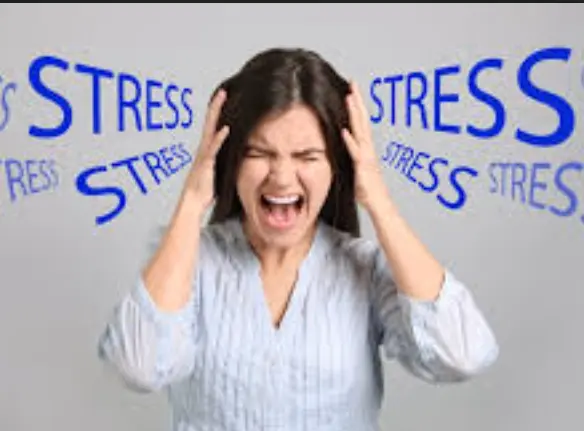
Stress and anxiety are common reactions to daily pressures, but when unmanaged, they can harm mental and physical health. Fortunately, many effective techniques exist to reduce stress and anxiety, promoting greater peace, resilience, and well-being. Here’s a practical guide to managing these feelings.
1. Practice Mindful Breathing and Meditation
Deep breathing exercises and mindfulness meditation help calm the nervous system by shifting focus from anxious thoughts to the present moment. Techniques such as diaphragmatic breathing, box breathing, or guided mindfulness can lower heart rate and reduce cortisol levels, easing tension quickly and effectively.
2. Engage in Regular Physical Activity
Exercise releases endorphins—natural mood boosters—and acts as a physical outlet for stress. Activities like walking, running, yoga, or dancing improve sleep, reduce fatigue, and support emotional regulation. Even short bursts of movement during the day can alleviate anxiety symptoms.
3. Prioritize Sleep Hygiene
Poor sleep quality can worsen stress and anxiety. Establish a regular sleep schedule, create a calming bedtime routine, and minimize exposure to screens before sleep. A restful night sets the foundation for emotional resilience and better coping with daily challenges.
4. Limit Stimulants and Practice Balanced Nutrition
Caffeine, nicotine, and excessive sugar can exacerbate anxiety symptoms. Opt for a balanced diet rich in fruits, vegetables, whole grains, and lean proteins to stabilize blood sugar and mood. Staying hydrated and avoiding alcohol as a stress reliever also support mental health.
5. Build Social Support Networks
Strong relationships provide emotional support and practical help in stressful times. Share feelings with trusted friends or family, join group activities, or seek community connections. Social engagement reduces feelings of isolation and fosters a sense of belonging.
6. Manage Time and Set Boundaries
Overcommitting leads to overwhelm. Prioritize tasks, break projects into smaller steps, and say no to excessive demands on your time. Setting healthy boundaries at work and in personal life prevents burnout and cultivates a manageable pace.
7. Use Relaxation Techniques and Hobbies
Engaging in hobbies or activities that bring joy distracts from stressors and promotes relaxation. Reading, gardening, painting, or listening to music activate the parasympathetic nervous system, helping the body recover from stress.
8. Seek Professional Help When Needed
If anxiety or stress feels overwhelming or persistent, consulting a mental health professional is highly beneficial. Therapies like cognitive-behavioral therapy (CBT), mindfulness-based therapy, or medication can provide tools to understand triggers and learn coping mechanisms.
Conclusion
Reducing stress and anxiety involves cultivating habits that nurture body and mind. Mindful breathing, regular exercise, good sleep, supportive relationships, and knowing when to seek help create a comprehensive strategy for a calmer, more balanced life. Small consistent steps can significantly improve your emotional well-being and resilience.
This guide consolidates evidence-based methods for effectively managing stress and anxiety to foster mental health and overall wellness.


2 thoughts on “How to Reduce Stress and Anxiety: Practical Strategies for a Calmer Life”