
Divine Lifestyle
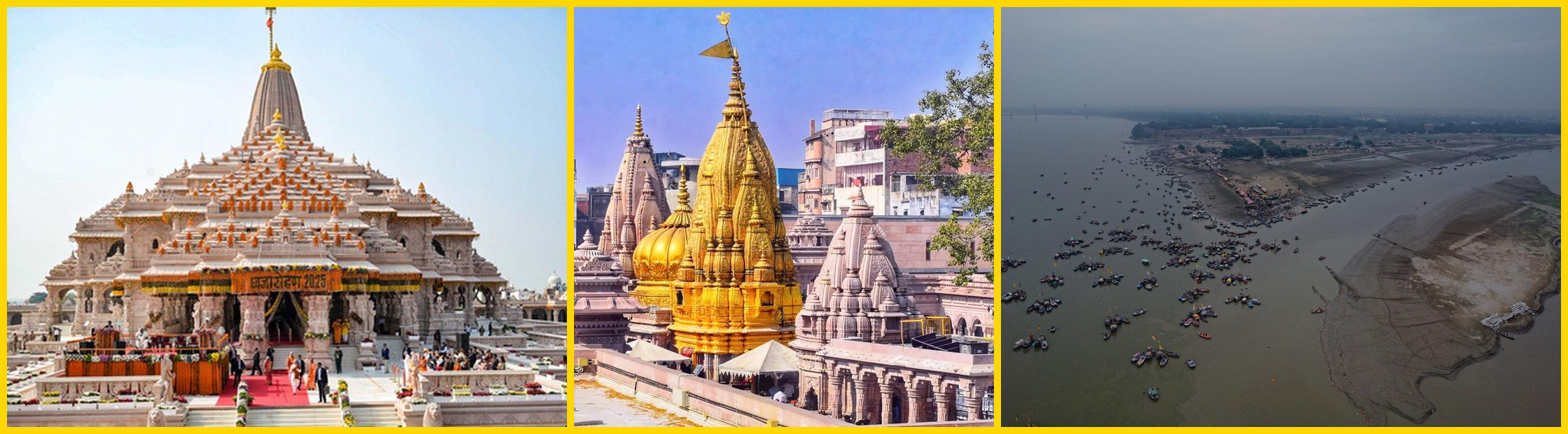
How to Travel to Ayodhya, Kashi and Prayagraj: A Complete Pilgrimage Travel Guide to Three Sacred Destinations
Table of Contents
Explore three of the holiest destinations in Uttar Pradesh—Ayodhya, the birthplace of Shri Ram, Kashi, the sacred city of Lord Shiva, and Prayagraj, the holy confluence of the Ganga, Yamuna and mythical Saraswati. Discover how to travel by train, flight, bus and road, and plan a memorable spiritual journey.
This guide is written for Law of Divine Life to help devotees plan their pilgrimage comfortably, whether travelling with family, friends or independently.
1. Understanding the Three Sacred Destinations
Before planning the journey of three sacred destinations, it is useful to understand the religious importance of these three cities.
Ayodhya – The birthplace of Shri Ram: Ayodhya is famous for Shri Ram Janmabhoomi Mandir, Hanuman Garhi, Kanak Bhawan and the sacred River Sarayu. Devotees visit to seek the blessings of Lord Shri Ram.
Kashi (Varanasi) – The city of Lord Shiva: Kashi is home to Shri Kashi Vishwanath Jyotirlinga. Its famous attractions include Dashashwamedh Ghat, the Ganga Aarti, Manikarnika Ghat and Annapurna Devi Temple.
Prayagraj – The sacred Triveni Sangam: Prayagraj is famous for Triveni Sangam, the traditional confluence of the Ganga, Yamuna and the invisible Saraswati. It is an important destination for religious bathing, prayers and pilgrimage.
Visiting all three three sacred destinations and places nearby in one journey allows devotees to experience different aspects of Hindu religious heritage.
2. What Is the Best Order for Visiting These Places?
A convenient way to plan this pilgrimage of these three sacred destinations are to travel in a circuit:
Ayodhya → Prayagraj → Kashi (Varanasi)
Alternatively, you can travel in the reverse direction depending on your arrival city and available trains or flights.
Approximate road distances are:
| Journey | Approximate distance |
|---|---|
| Ayodhya to Prayagraj | 155–170 km |
| Prayagraj to Varanasi | 120–130 km |
| Varanasi to Ayodhya | 200–220 km |
Distances vary according to the route and starting point within each city. The official district tourism websites of these three sacred destinationsprovide route information for these destinations.
3. Travelling by Air – The Fastest Option
If you are travelling from a distant city, flying can save considerable time.
For Ayodhya: Maharishi Valmiki International Airport, Ayodhya Dham, serves the city. After landing, you can take a taxi or other local transport to your hotel and the Ram Mandir area. India+1
For Kashi: Lal Bahadur Shastri International Airport at Babatpur is the main airport serving Varanasi. Taxis and other road transport connect the airport with the city.
For Prayagraj: Prayagraj Airport at Bamrauli serves the city, although its flight connections are more limited than Varanasi’s. You can also consider flying to Varanasi or Lucknow and continuing by road or train. India+1
If flights are not available to your preferred destination, consider flying to Lucknow, Varanasi or another well-connected airport and completing the remaining journey by train or taxi.
4. Travelling by Train – An Economical and Convenient Choice
Indian Railways is one of the most practical ways to visit all three sacred destinations. It offers different classes, including General, Sleeper, Third AC, Second AC and First AC, depending on the train.
For Ayodhya, the important stations are Ayodhya Dham Junction and Ayodhya Cantt. Check both stations when searching for trains.
For Varanasi, the important railway stations include Varanasi Junction, Banaras and Kashi.
For Prayagraj, major stations include Prayagraj Junction, Prayag and Prayagraj Rambagh.
You can plan separate train journeys between the cities. For example, take a train from Ayodhya to Prayagraj, continue from Prayagraj to Varanasi and then return home from Varanasi.
Train timings, availability and journey durations depend on the particular service and travel date. Always check before booking.
Useful booking website: IRCTC – Official Railway Ticket Booking.
You can also explore pilgrimage packages through IRCTC Tourism.
5. Travelling by Bus – A Budget-Friendly Option
Government and private buses connect these cities with several destinations in Uttar Pradesh and neighbouring states.
The Uttar Pradesh State Road Transport Corporation (UPSRTC) operates bus services to and from Ayodhya, Prayagraj and Varanasi. Depending on the route, you may find ordinary, non-AC and air-conditioned services.
For example, you can travel from Ayodhya to Prayagraj by bus and then take another bus towards Varanasi.
Bus travel is often economical, but journey times can vary because of traffic, road conditions and festival crowds.
For information and booking, visit the UPSRTC official website.
6. Travelling by Private Car or Taxi – Best for Family Pilgrimage
If you are travelling to these three sacred destinations with parents, children or elderly family members, hiring a private taxi or travelling in your own car may be a comfortable choice.
A private vehicle allows you to stop for meals, refreshments and rest whenever required. You can also visit smaller temples and religious places along the way.
The Ayodhya–Prayagraj–Varanasi three sacred destinations aare in a circuit can be covered by road, although you should allow sufficient time for traffic and local sightseeing.
You can choose from a sedan, SUV or larger vehicle according to your group size. Before hiring a taxi, confirm the total fare, driver allowance, toll charges, parking fees and whether the price includes the return journey.
For a family pilgrimage of these three sacred destinations, a dedicated vehicle can make the journey more flexible and comfortable.
7. Local Transport Within Each City
After reaching your destination, you will need local transport to visit temples and religious places.
In Ayodhya, e-rickshaws, auto-rickshaws, taxis and walking are useful for visiting Ram Mandir, Hanuman Garhi, Kanak Bhawan and the Sarayu Ghats.
In Varanasi, auto-rickshaws and taxis can take you towards the temple and ghat areas. However, many narrow lanes in old Kashi are best explored on foot. Boats are available for river experiences, subject to local conditions.
In Prayagraj, taxis, auto-rickshaws, e-rickshaws and local buses can take you to Triveni Sangam, Anand Bhavan, Hanuman Mandir and other attractions.
Always confirm fares before using local transport, especially during busy pilgrimage periods.
8. Suggested Seven-Day Pilgrimage Itinerary
If you want to visit all three cities comfortably, a seven-day journey is a good starting point.
| Day | Destination | Suggested activities |
|---|---|---|
| Day 1 | Ayodhya | Arrival, hotel check-in and local sightseeing |
| Day 2 | Ayodhya | Ram Mandir, Hanuman Garhi, Kanak Bhawan and Sarayu Aarti |
| Day 3 | Prayagraj | Travel to Prayagraj and visit Triveni Sangam |
| Day 4 | Prayagraj | Visit Hanuman Mandir, Anand Bhavan and other attractions |
| Day 5 | Varanasi | Travel to Kashi and attend evening Ganga Aarti |
| Day 6 | Varanasi | Kashi Vishwanath Darshan, Annapurna Temple and Ganga Ghats |
| Day 7 | Varanasi | Sarnath or additional sightseeing, then departure |
You can extend the journey if you want more time for temple visits, meditation and religious activities.
9. Best Time to Visit Ayodhya, Kashi and Prayagraj
The period from October to March is generally comfortable for visiting these cities because the weather is cooler.
Important religious occasions include Ram Navami in Ayodhya, Dev Deepawali and Mahashivratri in Varanasi, and Magh Mela in Prayagraj.
During major festivals, the number of pilgrims increases significantly. Hotels, trains and local transport may become crowded, so advance planning is advisable.
If you prefer a peaceful pilgrimage, consider travelling outside major festival periods. Upstdc+2
10. Important Tips for a Comfortable Pilgrimage
Before starting your journey, book your train tickets, flights and accommodation. Carry valid identification, necessary medicines, comfortable footwear and drinking water. Keep some cash for local transport and small purchases.
Check temple timings, darshan arrangements and restrictions before visiting. Follow local instructions, respect religious customs and avoid carrying prohibited items into temple premises.
If you are travelling with elderly people, allow enough time for rest and avoid planning too many visits in a single day.
Most importantly, remember that a pilgrimage is not a race to visit as many places as possible. Give yourself time to pray, understand the history of each of these three sacred destinations and places nearby and enjoy the spiritual atmosphere.
Conclusion: A Journey of Faith, Devotion and Spiritual Peace
The pilgrimage to Ayodhya, Kashi and Prayagraj is a beautiful opportunity to experience the spiritual heritage of India. Ayodhya reminds us of the ideals of Lord Shri Ram, Kashi brings us closer to the divine presence of Lord Shiva, and Prayagraj offers the sacred experience of Triveni Sangam.
Whether you choose to travel by flight, train, bus, private car or taxi, proper planning can make your pilgrimage comfortable and memorable.
Take this journey with devotion, respect and an open heart. Remember that the true purpose of visiting holy places is not only to see temples and rivers but also to bring goodness, peace and spirituality into our everyday lives.
May Shri Ram, Lord Kashi Vishwanath and Maa Ganga bless every devotee with happiness, good health and spiritual wisdom.
जय श्री राम! हर हर महादेव! जय माँ गंगे!
AYODHYA – KASHI – PRAYAGRAJ
Your Complete Spiritual Travel Guide
Useful official travel resources of these Three Sacred Destinations are
- Ayodhya District – How to Reach
- Prayagraj District – How to Reach
- Incredible India – Varanasi
- Indian Railways – Train Booking
- UPSRTC – Bus Booking
Travel distances and services are approximate; confirm schedules and local arrangements before departure.