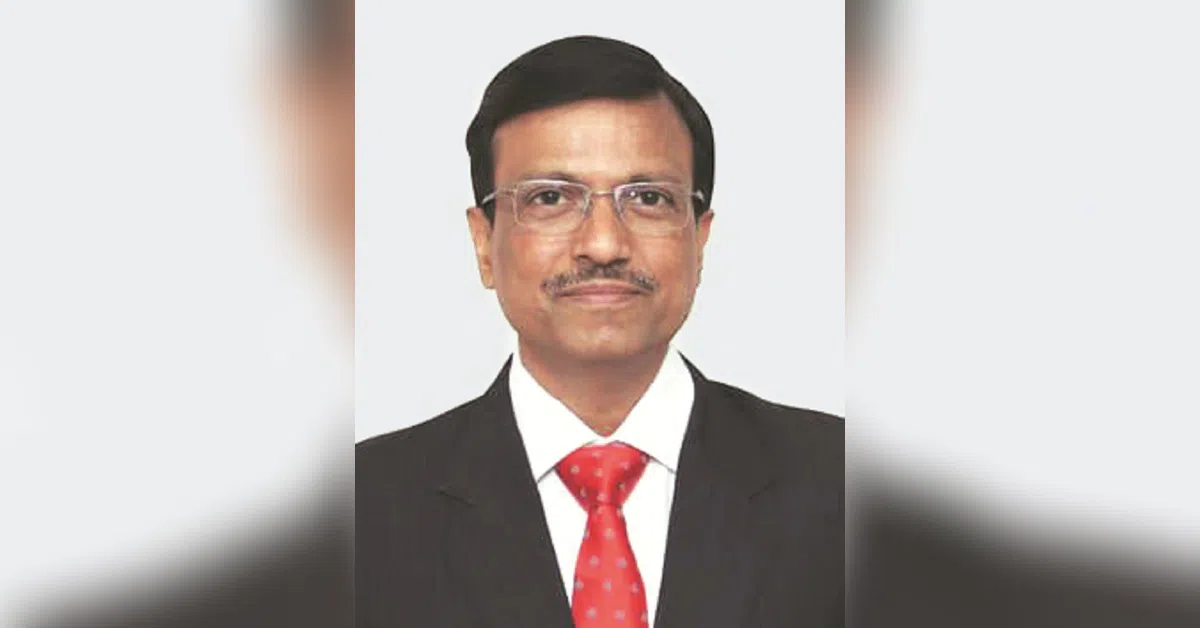
“Iron ore was cheap, but it will not become cheaper in future due to imposition of so many taxes and ignoring of royalty by the state governments. So, gradually we will find that the raw material which was quite cheap may become expensive in future,” Panda said.
SAIL is dependent on captive mines for sourcing raw materials.
He was speaking at the Indian Steel Market Summit here organized by mJunction, the e-commerce joint venture of Tata Steel and SAIL, which provides digital marketplace services for commodities.
Underscoring the challenges faced by the steel industry as steel making capacity in the country is set to increase by 300 million tonnes in the near future, Panda said India is increasing mining capacity to make more iron ore available for steel production, but the cost of raw materials is changing.
Iron ore miners are currently charged a uniform ad valorem royalty rate of 15 per cent of the average selling price (ASP) of ore across the country. The income from this goes to the state government where the mine is located. The actual amount of royalty paid per tonne varies from state to state as the calculation is based on the ASP declared for each region.
Additionally, miners pay an additional 10 per cent of their royalty to the District Mineral Foundation (DMF) for the development of the local area in case of auctioned mines and 30 per cent in case of non-working mines. In addition, miners are required to contribute 2 percent of the royalties paid to the National Mineral Exploration Trust.
Panda had highlighted the burden of these charges on an earlier occasion. Speaking as the company’s director (finance) during the Q1 FY2025-26 earnings call in July last year, he had said that SAIL’s other expenses during the quarter were higher “primarily due to iron ore royalty”. He also said royalty payments vary with fluctuations in prices notified by the Indian Bureau of Mines (IBM) and these figures were higher during the quarter.
During the nine months of 2025-26 (April 2025 to December 2025), SAIL met its entire iron ore demand for its steel plants by producing 25.93 million tonnes (MT) of iron ore from its captive mines.
Panda cited the carbon levy under the Carbon Border Adjustment Mechanism (CBAM) being imposed by European countries, among other challenges, and said the industry will also have to deal with decarbonization along with expansion of steelmaking capacity.
“These challenges will be real challenges for all of us going forward,” he said, adding that the industry will need better operating practices, new technologies, lower fuel consumption and less pollution-causing raw materials to meet the challenge.
Panda said steel scrap will play an increasingly important role in steel manufacturing but its widespread use will require technology upgrades. Referring to electric arc furnace (EAF) based steelmaking, he said it will become increasingly important due to its role in decarbonization, but it cannot currently replace the traditional blast furnace-Basic Oxygen Furnace (BF-BOF) route for entire production.
He also said that electricity remains a major cost component for EAF-based steelmaking. “One of the key components in the EAF is electricity. So, electricity is also going to be affordable going forward because we have many options. This is an area in which everyone will depend on renewable, round-the-clock electricity,” he said.
Panda said India’s steel consumption is growing at about 7-8 per cent annually and the country’s steel manufacturing capacity, which is currently around 200 million tonnes, could exceed 300 million tonnes in the coming years.